How to Make and Store Homemade Soup Bases
There’s a quiet kind of confidence that comes from having homemade soup bases tucked away in your kitchen. It means dinner is never far away, even on the days when time is short and energy is low. With a good soup base on hand, a simple pot of water, a handful of vegetables, or some leftover meat can turn into a comforting meal without much effort.
Making soup bases at home isn’t about perfection or fancy techniques. It’s about control, thrift, and flavor. You decide what goes in, how salty it is, and how rich or light it should be. And once you learn how to store them properly, those bases become one of the most useful tools in your kitchen.
What Is a Soup Base, Really?
A soup base is the concentrated foundation of a soup. It’s not meant to be eaten on its own, but rather diluted, built upon, and customized. Think of it as the starting point—the deep flavor that supports everything else.
Unlike boxed broth or bouillon cubes, homemade soup bases are usually thicker, richer, and more flexible. They can be spooned, diluted, or frozen in portions, depending on how you plan to use them.
Common types of soup bases include:
- Vegetable base
- Chicken base
- Beef base
- Bone broth concentrate
- Herb-forward or aromatics-only bases
Why Make Soup Bases at Home?
Once you start making your own, it’s hard to go back. Homemade soup bases offer benefits that store-bought versions simply can’t match.
First, there’s flavor. Slow-simmered vegetables, bones, and herbs develop depth that powdered or boxed products rarely achieve. Then there’s control—you choose the ingredients, the salt level, and what stays out. No preservatives, no mystery flavors, no excessive sodium.
There’s also practicality. Soup bases are a smart way to reduce food waste. Onion skins, carrot ends, celery leaves, herb stems, and leftover bones all have value. Turning them into soup base stretches groceries further and makes better use of what you already have.
Essential Ingredients for a Good Soup Base
While recipes vary, most soup bases rely on a few core components.
Aromatics
Onions, garlic, celery, and carrots form the backbone of most bases. These are often called the “foundation vegetables” because they bring sweetness and balance.
Flavor Builders
Herbs, bay leaves, peppercorns, and stems from parsley or thyme add complexity. Tomato paste or mushrooms can deepen flavor, especially in vegetable or beef bases.
Liquid
Water is usually enough. As ingredients simmer, they release flavor into the liquid.
Time
Time is not an ingredient you can rush. Gentle simmering allows flavors to develop without bitterness.
How to Make a Basic Vegetable Soup Base
Vegetable soup base is one of the easiest and most versatile to prepare.
Chop onions, carrots, and celery into rough pieces. Add garlic cloves, herb stems, and a bay leaf. Place everything in a large pot and cover with water.
Bring the pot to a gentle simmer and cook uncovered for about 45 to 60 minutes. Avoid boiling aggressively, which can make the base taste muddy or bitter.
Once done, strain out the solids. What remains is a flavorful vegetable base that can be used for soups, stews, grains, or sauces.
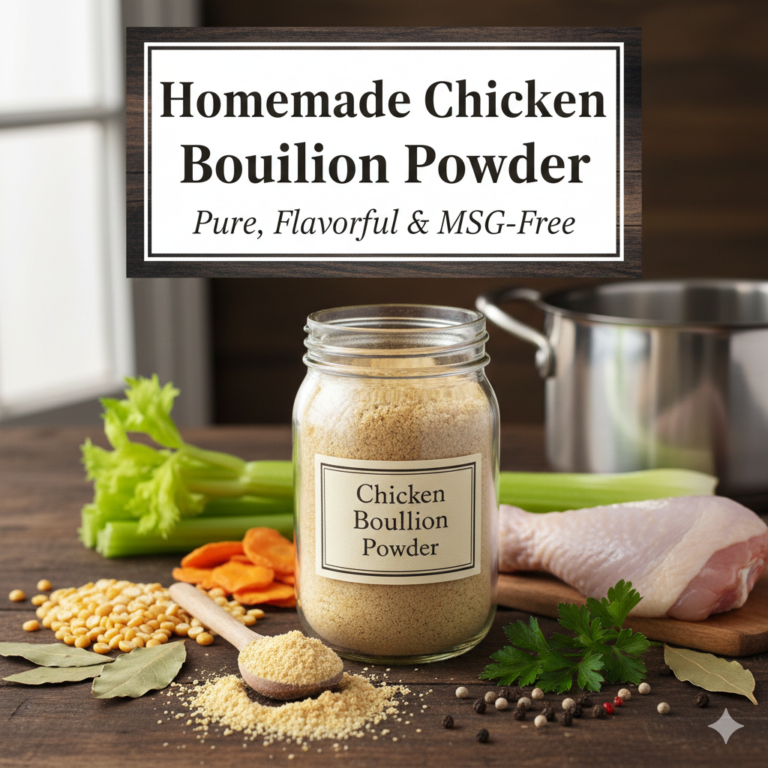
How to Make Chicken Soup Base
Chicken soup base is best made with bones. A leftover roast chicken carcass works perfectly.
Place the bones in a pot along with onion halves, carrot chunks, celery stalks, garlic, and herbs. Cover with cold water and slowly bring to a simmer.
Let it cook gently for 2 to 4 hours. Skim off foam if needed. The longer it simmers, the richer the base becomes.
Strain and cool before storing.
Beef and Bone-Based Soup Bases
Beef bases benefit from roasting bones first. This step adds depth and color.
Roast bones at a high temperature until browned, then simmer with vegetables and herbs for several hours. Bone-based bases are often more concentrated and can be reduced further after straining.
These bases are excellent for hearty soups, gravies, and braised dishes.
Reducing Soup Bases for Storage
One of the most practical techniques is reduction. After straining your soup base, return the liquid to the pot and simmer it uncovered until reduced by half or more.
This creates a concentrated base that takes up less space and delivers more flavor per spoonful. When using it later, simply dilute with water.
How to Store Homemade Soup Bases Safely
Proper storage is essential for both safety and quality.
Refrigerator Storage
Soup bases can be stored in airtight containers in the refrigerator for up to 4 days. Always cool them completely before refrigerating.
Freezer Storage
Freezing is the best long-term option.
Popular freezing methods include:
- Ice cube trays for small portions
- Silicone molds for measured servings
- Freezer-safe jars with headspace
- Zip-top freezer bags laid flat
Frozen soup bases keep well for up to 6 months.
Labeling and Organization Tips
Always label containers with the type of base and the date it was made. This avoids guesswork later and helps you rotate your freezer stock.
Keeping a small freezer inventory list can be surprisingly helpful.
How to Use Soup Bases in Everyday Cooking
Soup bases aren’t only for soup.
Use them to:
- Cook rice or grains
- Add depth to sauces
- Deglaze pans
- Braise vegetables or meat
- Improve store-bought soups
A spoonful of concentrated base can transform a dish.
Common Mistakes to Avoid
- Over-salting the base (it’s better to salt later)
- Boiling too hard
- Storing while still warm
- Skipping labels
A Habit Worth Building
Making and storing homemade soup bases is one of those quiet kitchen habits that pays off again and again. It saves money, reduces waste, and puts real flavor at your fingertips.
Once you start, it becomes second nature—something you do without thinking, simply because it makes cooking easier and meals better. And that’s the kind of habit every home kitchen benefits from.