Homemade Garlic Oil for Cooking
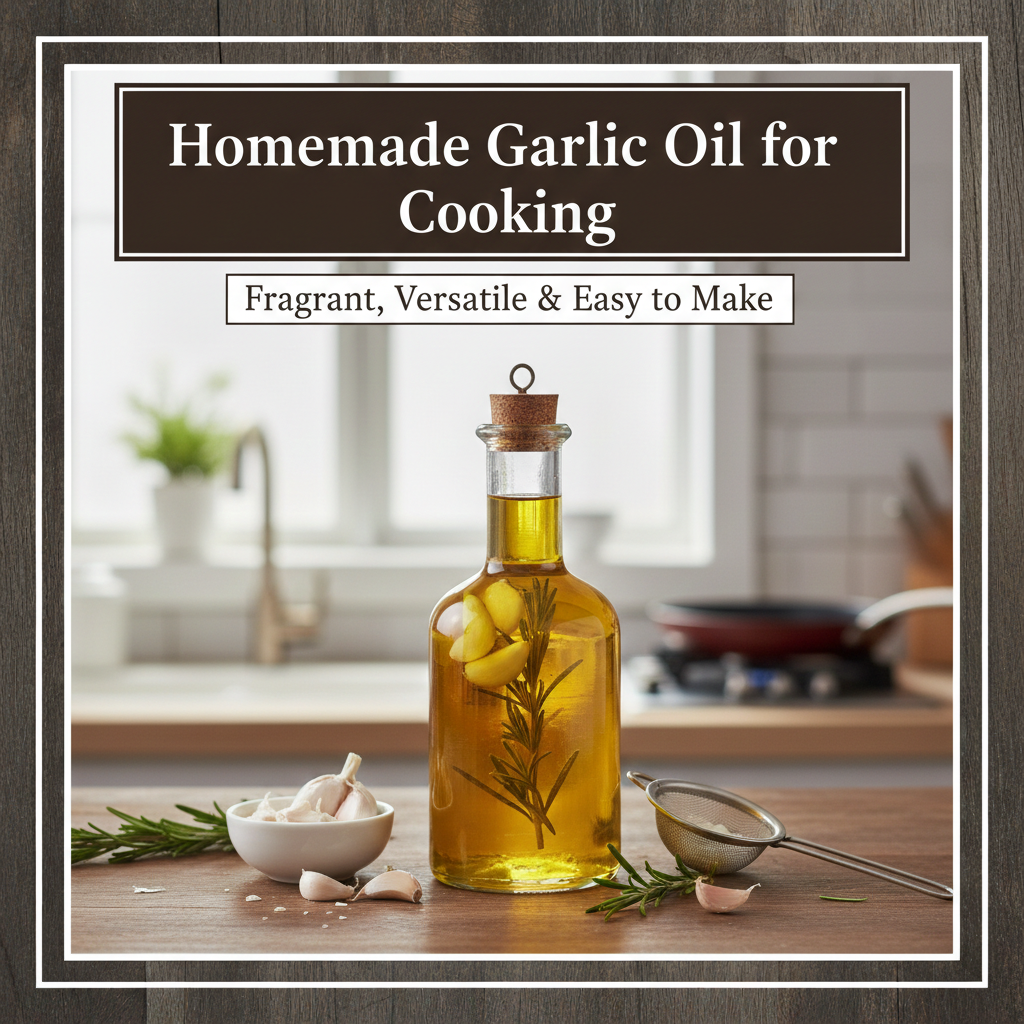
Garlic oil feels like one of those little kitchen luxuries that shouldn’t be complicated. Just garlic and oil — simple, fragrant, and endlessly useful. And it can be, as long as it’s made and stored with care.
Homemade garlic oil isn’t about cutting corners or showing off. It’s about control. Control over flavor, freshness, and how much garlic actually ends up in your food. When done right, it adds warmth and depth without overpowering a dish, and it becomes one of those quiet staples you reach for again and again.
But garlic oil also asks for respect. Understanding how it’s made and how it’s kept is just as important as how it tastes.
Why People Love Cooking with Garlic Oil
Garlic oil offers something different from raw garlic.
The flavor is smoother, rounder, and more evenly distributed. There’s no sharp bite, no uneven chunks, no risk of burning garlic in a hot pan. Instead, the oil carries garlic’s aroma gently through whatever you’re cooking.
It works especially well when you want background flavor rather than a strong garlic presence. A drizzle can transform vegetables, pasta, rice, or bread without announcing itself.
Choosing the Right Garlic
Fresh garlic matters here more than anywhere else.
Firm cloves with tight skins produce the cleanest flavor. Soft or sprouting garlic can taste bitter and won’t store as well. Peeling the cloves carefully helps avoid bruising, which can introduce harsh notes into the oil.
Garlic should be clean, dry, and handled gently. This keeps the flavor clear and the oil stable.
The Role of the Oil
The oil isn’t just a carrier — it’s part of the flavor.
Neutral oils allow the garlic to shine quietly. Richer oils bring their own personality to the mixture. Either way, the oil should be fresh and free from strong odors.
The oil absorbs the garlic’s aroma slowly, becoming infused rather than aggressive. That balance is what makes homemade garlic oil so appealing.
Gentle Infusion, Not Cooking
One common mistake is treating garlic oil like something that needs to be cooked hard.
In reality, garlic infuses best with gentle heat or controlled contact time. High heat can scorch the garlic and create bitterness. Slow, careful infusion preserves sweetness and aroma.
The goal is to coax flavor into the oil, not force it.
Why Safety Matters with Garlic Oil
Garlic oil is one of those foods where tradition and modern understanding meet.
Garlic is a low-acid ingredient, and oil creates an environment where harmful bacteria can grow if the oil is stored improperly. This doesn’t mean garlic oil is dangerous — it means it must be handled responsibly.
Homemade garlic oil is safest when:
- Stored cold
- Used within a short time
- Kept clean and moisture-free
Respecting these rules keeps the oil both flavorful and safe.
Storing Garlic Oil Correctly
Once infused, garlic oil should be treated as a fresh ingredient, not a pantry item.
Refrigeration is essential. Cold storage slows spoilage and prevents unwanted bacterial growth. The oil should be kept in a clean, sealed container and used promptly.
If the oil ever smells off, looks cloudy, or shows signs of fermentation, it should be discarded without tasting.
How Long Homemade Garlic Oil Keeps
Unlike store-bought versions, homemade garlic oil doesn’t contain preservatives.
For that reason, it’s best made in small amounts and used within a short window. Freshness matters more than quantity here. Making less more often keeps both flavor and safety at their best.
Garlic oil is at its peak when it’s fresh and fragrant, not when it’s been sitting around.
How to Use Garlic Oil in Everyday Cooking
Garlic oil shines in simple dishes.
It’s excellent for:
- Sautéing vegetables gently
- Brushing onto bread before toasting
- Drizzling over cooked pasta or rice
- Finishing soups and stews
- Light marinades
Because the garlic flavor is already infused, there’s less risk of burning or uneven taste.
What Homemade Garlic Oil Is Not For
Garlic oil isn’t meant to replace all forms of garlic.
It won’t give you the sharp punch of raw garlic or the sweetness of roasted cloves. It’s a supporting flavor, not a main character.
It’s also not meant for long-term storage at room temperature. Treating it like a shelf-stable product is where problems begin.
Why Making It Yourself Is Worth It
Despite the care it requires, homemade garlic oil is worth the effort.
It tastes fresher. It smells better. And it lets you decide exactly how garlic-forward your cooking becomes. There’s satisfaction in knowing what’s in it and how it was made.
More than anything, it encourages mindful cooking — small batches, thoughtful storage, and intentional use.
A Kitchen Habit, Not a Shortcut
Homemade garlic oil isn’t about convenience alone. It’s about slowing down just enough to do something right.
When handled with care, it becomes one of those quiet kitchen habits that elevate everyday meals without demanding attention. It’s subtle, dependable, and deeply useful — exactly the kind of ingredient that earns its place near the stove.