Biscuit-Topped Chicken Pot Pie Casserole: Cozy, Creamy & Family-Favorite
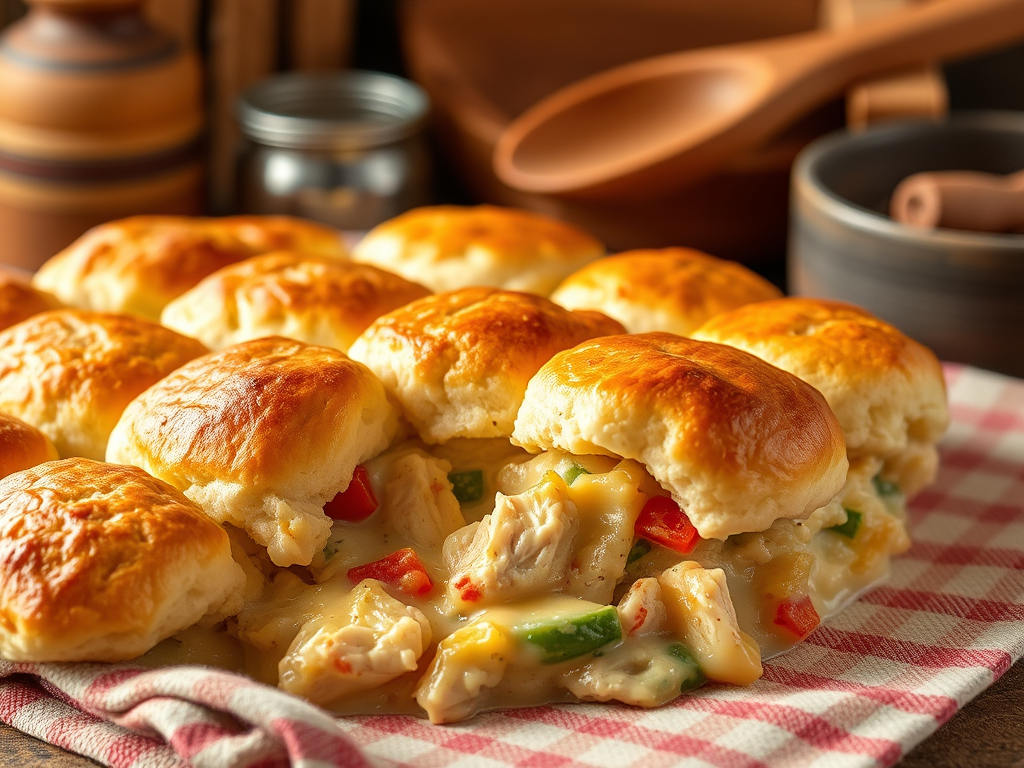
Few things communicate “home and comfort” quite like a bubbling biscuit-topped chicken pot pie casserole emerging from the oven, its golden biscuit crown giving way to creamy chicken and vegetables beneath. This isn’t fussy cooking requiring pastry expertise or complicated techniques—it’s straightforward comfort that transforms simple ingredients into the kind of meal that makes everyone linger at the table. Perfect for rushed weeknights when you need something satisfying without spending hours in the kitchen.
Why This Version Beats Traditional Pot Pie
Classic pot pie certainly has its charms, but let’s acknowledge the challenges. Pastry crusts demand skill and patience. Soggy bottoms plague even experienced bakers. The deep-dish format makes serving neat portions nearly impossible. This chicken pot pie casserole approach sidesteps all those issues while delivering the flavors everyone loves.
The biscuit topping requires minimal effort—you can use refrigerated dough if time is tight or whip up simple drop biscuits in minutes. Unlike fragile pastry, biscuits handle rough treatment gracefully. They bake to fluffy perfection while staying separate enough to serve individually, eliminating the serving chaos that accompanies traditional versions. The casserole format also promotes even heating throughout, ensuring every spoonful hits the right temperature.
Building the Creamy Foundation
The soul of any great easy chicken pot pie bake lies in its filling—that luscious mixture of tender chicken, colorful vegetables, and velvety sauce that makes you want to eat it with a spoon. Getting this right matters more than fancy biscuit arrangements or decorative touches.
Essential filling components:
Start with approximately three to four cups of cooked, diced chicken. Rotisserie chicken provides instant gratification—just pull the meat from the bones and chop it roughly. Leftover roasted or grilled chicken works identically. If starting from raw, poach boneless breasts in seasoned water for about fifteen minutes until cooked through, then dice once cool enough to handle.
Vegetables bring color, nutrition, and textural variety. The classic trinity includes carrots, celery, and onion as aromatics, plus peas and corn for brightness and sweetness. Dice carrots and celery into small pieces so they cook evenly. One large onion, finely chopped, provides savory backbone. Two cups of frozen peas and one cup of corn (frozen works perfectly) round out the vegetable medley.
The sauce makes everything cohere. A proper cream sauce starts with a roux—equal parts butter and flour cooked together to eliminate raw flour taste while creating thickening power. Three tablespoons each of butter and flour handles approximately three cups of liquid beautifully, creating sauce that’s thick enough to cling without becoming gloppy.
Creating the Perfect Sauce
This step separates acceptable casseroles from exceptional ones. Rush it and you’ll get lumpy, thin, or pasty sauce. Take your time here and magic happens.
Melt butter in a large, deep skillet or Dutch oven over medium heat. Once foaming subsides, add flour all at once and whisk continuously for two full minutes. The mixture—your roux—should smell nutty and turn just slightly golden. This cooking eliminates that raw flour taste that ruins sauces.
Slowly pour in two cups of chicken broth while whisking constantly. Start with just a quarter cup, whisking vigorously until smooth before adding more. Gradual liquid addition prevents lumps. Once all broth is incorporated, continue whisking while the mixture comes to a gentle boil. It will thicken noticeably.
Reduce heat to low and stir in one cup of heavy cream or half-and-half. Season with one teaspoon of salt, half teaspoon of black pepper, one teaspoon of garlic powder, half teaspoon of dried thyme, and quarter teaspoon of poultry seasoning. Taste and adjust—the sauce should be well-seasoned since biscuits and chicken will dilute flavors.
Add your diced carrots and celery now since they need a head start cooking. Let everything simmer gently for eight to ten minutes, stirring occasionally, until vegetables are crisp-tender. Stir in chicken, peas, and corn. The mixture should be thick enough to coat a spoon but still flow—add a splash more broth if it seems too thick, since it will thicken further during baking.
Assembling Your Comfort Food Masterpiece
Transfer your hot filling to a 9×13-inch baking dish, spreading it evenly. At this point you have options for the biscuit topping—each valid depending on time and preference.
Option 1: Refrigerated biscuit dough
Pop open a can of refrigerated biscuits and arrange them directly over the hot filling, spacing them slightly apart. They’ll expand during baking and mostly merge together while maintaining individual identity. This approach takes literally thirty seconds and produces consistent results.
Option 2: Drop biscuits from scratch
Mix two cups of all-purpose flour with one tablespoon of baking powder and one teaspoon of salt. Cut in six tablespoons of cold butter using a pastry cutter or your fingers until the mixture resembles coarse crumbs. Stir in one cup of buttermilk just until combined—don’t overmix or biscuits become tough. Drop spoonfuls of this shaggy dough across the filling’s surface. They won’t completely cover everything and that’s perfect—gaps let steam escape and sauce bubble up enticingly.
Option 3: Rolled and cut biscuits
Follow the drop biscuit recipe above but add an extra quarter cup of flour to make stiffer dough. Turn it onto a floured surface, pat to three-quarters-inch thickness, and cut with a biscuit cutter. Arrange these neat rounds over the filling for more polished presentation. This takes extra time but looks impressive.
Regardless of method, brush biscuit tops with melted butter and sprinkle with a bit of coarse salt if desired. This creates golden color and adds flavor.
Baking to Golden Perfection
Slide your assembled oven baked chicken casserole into a preheated 375°F oven. Bake for twenty-five to thirty-five minutes until biscuits turn deep golden brown and the filling bubbles enthusiastically around edges. If using refrigerated dough, follow package directions for timing since different brands vary.
The biscuits should sound hollow when tapped and feel firm rather than doughy. If they’re browning too quickly before the filling heats through, tent loosely with aluminum foil for the final ten minutes.
Let the casserole rest for five to ten minutes after removing from the oven. This allows the sauce to thicken slightly and makes serving cleaner. The initial temperature is mouth-burning anyway—patience protects tongues while improving texture.
Serving This Homestyle Chicken Dinner
Spoon generous portions into wide, shallow bowls, making sure each serving gets at least one biscuit. The beauty of this family-friendly casserole recipe lies in its completeness—it’s truly a meal in a dish requiring no sides unless you specifically want them.
That said, simple accompaniments work nicely when feeding crowds or wanting variety. A crisp green salad with vinaigrette cuts through the richness beautifully. Roasted green beans or asparagus add vegetable variety and different textures. Cranberry sauce provides sweet-tart contrast that’s particularly welcome during holiday meals.
Why Kids Actually Eat This
Parents wage constant battles over dinner acceptance, but this creamy chicken pot pie somehow bypasses most objections. The mild, familiar flavors don’t challenge timid palates. Everything is soft and easy to eat—no challenging textures to navigate. The biscuit component feels like a treat rather than obligation.
The one-dish presentation helps too. Picky eaters can’t easily separate disliked components when everything mingles together. They might attempt picking out peas, but inevitably eat chicken and sauce coated vegetables in the process.
Involving kids in assembly increases acceptance further. Let them arrange biscuits over the filling or brush them with butter. This investment in creation boosts willingness to actually eat the finished product.
Make-Ahead and Storage Strategies
This weeknight comfort meals star adapts beautifully to advance preparation. Make the filling completely, cool it, and refrigerate for up to two days before baking. When ready to cook, let it come to room temperature for thirty minutes, top with biscuits, and bake as directed, perhaps adding five extra minutes to account for starting cold.
Freeze the unbaked casserole for up to three months. Wrap thoroughly in plastic wrap followed by aluminum foil. Thaw overnight in the refrigerator before baking. The texture remains remarkably similar to fresh, though biscuits might need an extra five minutes to brown properly.
Already-baked casserole keeps refrigerated for four days. Reheat individual portions in the microwave or warm the entire dish covered in a 350°F oven for about twenty minutes. The biscuits won’t be quite as fluffy as fresh but remain perfectly edible.
Variations Worth Exploring
Once comfortable with the base classic pot pie casserole formula, creative variations keep things interesting. Turkey instead of chicken creates excellent use for Thanksgiving leftovers—no other changes needed. Substitute mushrooms for half the chicken for earthier, vegetarian-friendly version.
Southwest-style adds a can of diced green chiles, corn, black beans, and Mexican spice blend to the filling. Top with cornbread instead of biscuits for regional flair. Cheddar cheese folded into the biscuit dough or sprinkled over the filling before baking adds tangy richness.
Italian interpretation uses Italian seasoning in the filling, adds sun-dried tomatoes and mozzarella, and tops with drop biscuits mixed with Parmesan and basil. The technique stays constant while flavors shift dramatically.
Seafood pot pie works beautifully too—substitute cooked shrimp or a mixture of seafood for the chicken, add Old Bay seasoning, and proceed identically.
Troubleshooting Common Issues
Soggy biscuits indicate the filling was too thin or the biscuits didn’t bake long enough. Ensure your sauce is quite thick before baking since it will thin slightly during cooking. Let biscuits brown deeply—pale biscuits often remain doughy inside.
Dry filling suggests too much flour in the sauce or insufficient liquid. The mixture should seem almost soup-like before baking since it will thicken considerably in the oven. If you notice it’s too thick during assembly, stir in extra broth to loosen.
Undercooked vegetables mean they weren’t pre-cooked enough in the sauce step. Carrots especially need that initial simmer time since they won’t soften sufficiently during the brief baking period. Alternatively, dice them smaller so they cook faster.
Bland flavor points to under-seasoning the sauce. Remember that biscuits are relatively neutral and chicken is mild, so the sauce needs aggressive seasoning. Taste it before assembly and adjust boldly—it should taste slightly too salty since other components will dilute it.
The Comfort Food Psychology
Beyond satisfying hunger, this biscuit chicken casserole provides genuine emotional comfort that goes beyond nutrition. There’s something primal about warm, creamy food in cold weather or during stressful times. The soft textures require minimal chewing, creating the same comforting associations as childhood foods when we were cared for.
The golden biscuit top creates visual appeal that triggers anticipation and pleasure. We eat first with our eyes, and this dish delivers that promise of homey satisfaction. The aroma filling your kitchen while it bakes adds another sensory layer that enhances the eventual eating experience.
Making it yourself demonstrates care—both for yourself on hard days and for family members who need tangible expressions of love. The effort (minimal as it actually is) communicates “you matter” in ways words sometimes can’t.
Your Path to Casserole Confidence
Start with this recipe exactly as written to understand how components work together. Notice the sauce’s proper consistency before baking. Observe how biscuits bake and brown. Taste how flavors develop during cooking.
Once you’ve nailed the technique, experiment with variations mentioned or create your own. The framework handles creativity within structure—fundamental sauce proportions matter, but specific proteins, vegetables, and seasonings offer flexibility.
Welcome to comfort food that earns its reputation honestly—not through nostalgia alone but through genuinely satisfying flavor and texture that make you reach for seconds. This biscuit-topped chicken pot pie casserole proves that sometimes the best dinners come from simple formulas executed thoughtfully rather than complicated techniques or exotic ingredients. Your family’s new favorite weeknight meal awaits.