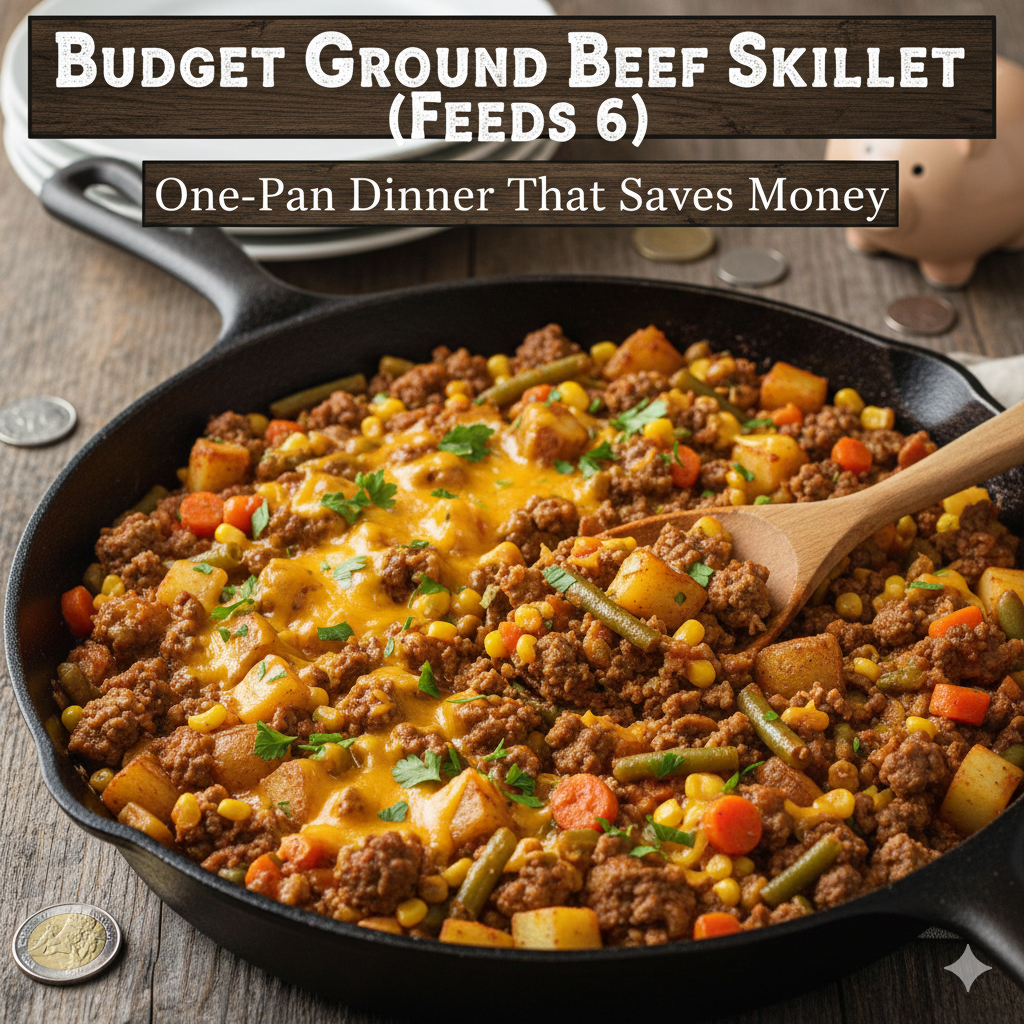
Budget Ground Beef Skillet (Feeds 6): One-Pan Dinner That Saves Money
When grocery budgets tighten and you need to feed six people without sacrificing satisfaction or flavor, a well-executed budget ground beef skillet becomes your secret weapon. This isn’t deprivation eating—it’s smart cooking that stretches a pound of affordable meat into a complete, hearty meal by combining it with vegetables, pasta or rice, and bold seasonings. The one-pan approach means minimal cleanup when energy runs low, while the total cost rarely exceeds ten dollars for the entire dish.
Why Ground Beef Skillet Meals Work for Budgets
Ground beef remains one of the most affordable proteins available, typically costing half what chicken breasts demand and a fraction of steak prices. A single pound provides sufficient protein for six servings when stretched with filling ingredients like pasta, rice, or potatoes. The versatility accommodates whatever vegetables your pantry or refrigerator contains, preventing waste while adding nutrition.
The one skillet ground beef dinner format eliminates multiple pots and pans, reducing both cooking time and cleanup effort—valuable when you’re juggling work, family obligations, and tight finances. Everything cooks together, allowing flavors to mingle while you focus on other priorities. This efficiency matters tremendously during weeks when time feels as scarce as money.
Smart Shopping for Maximum Value
Strategic purchasing multiplies your budget’s effectiveness. Buy ground beef when it’s on sale—family packs typically cost less per pound than smaller packages. Check the manager’s markdown section for meat nearing its sell-by date; it’s perfectly safe and often fifty percent off. Freeze extra immediately upon arriving home for future meals.
Choose ground beef with higher fat content (80/20 or 85/15) rather than ultra-lean versions. Counter-intuitively, this saves money twice—first through lower purchase price, second through better flavor that requires fewer expensive ingredients to enhance. You can drain excess fat after browning if concerned about calories.
For vegetables, buy whatever’s on sale or use frozen options that cost less than fresh while lasting indefinitely in your freezer. Frozen bell peppers, corn, peas, and green beans work beautifully in skillet meals. Canned tomatoes provide year-round tomato flavor at rock-bottom prices.
The Master Recipe Framework
This template feeds six people generously for approximately eight to ten dollars total, working out to less than two dollars per person—impossible to beat without resorting to ramen noodles.
Essential ingredients:
Protein and base:
- One pound ground beef (80/20 or 85/15)
- One medium onion, diced
- Three garlic cloves, minced
- Two cups uncooked pasta (elbow macaroni, rotini, or shells)
- Two and a half cups beef broth or water with bouillon
Vegetables (use what you have):
- One bell pepper, any color, diced
- Two cups frozen mixed vegetables, or
- One can (15 ounces) corn, drained, or
- One can (15 ounces) green beans, drained
Flavor builders:
- One can (15 ounces) diced tomatoes with juice
- Two tablespoons tomato paste
- Two teaspoons Italian seasoning or chili powder
- One teaspoon paprika
- One teaspoon salt
- Half teaspoon black pepper
- Optional: one cup shredded cheese
This framework adapts infinitely based on what’s affordable or available. Mexican-style uses chili powder and cumin. Italian-style emphasizes oregano and basil. The technique remains constant while flavors shift.
Building Flavor from the Ground Up
Heat your largest skillet (twelve inches works ideally) over medium-high heat. Add ground beef, breaking it into crumbles with a wooden spoon or spatula as it cooks. Brown the meat thoroughly—this takes six to eight minutes. Proper browning develops fond (those flavorful brown bits stuck to the pan) that forms the flavor foundation.
Once meat shows no pink, drain excess fat if desired, leaving about two tablespoons in the pan for flavor. Some cooks drain completely, others leave it all—both approaches work depending on preference and dietary concerns.
Add diced onion directly to the beef and cook four to five minutes until softened and translucent. Stir in minced garlic and cook one minute until fragrant. These aromatics create depth that makes cheap ground beef recipes taste far more expensive than they cost.
Adding Components Strategically
Stir in tomato paste, coating the meat and onions thoroughly. Cook for one minute—this brief cooking concentrates and sweetens the tomato flavor, eliminating any metallic notes canned products sometimes carry.
Add your chosen seasonings—Italian herbs, chili powder, paprika, salt, and pepper. Toast these spices for thirty seconds, stirring constantly. This activates their essential oils, intensifying flavor significantly.
Pour in beef broth and diced tomatoes with their juice. Stir to incorporate everything and scrape up any fond stuck to the pan bottom—that’s pure flavor you don’t want to waste. Bring the mixture to a boil.
Once boiling, add uncooked pasta, pushing it beneath the liquid. The pasta needs full submersion to cook properly. If liquid doesn’t cover everything, add water by the quarter cup until it does. Stir once to prevent sticking.
Reduce heat to medium-low, cover the skillet, and simmer for twelve to fifteen minutes, stirring every few minutes to prevent bottom scorching. The pasta absorbs liquid while cooking, thickening the sauce naturally.
Finishing with Vegetables and Cheese
After twelve minutes, check pasta tenderness. When nearly al dente (still slightly firm), add your frozen or canned vegetables. Stir them in gently, cover, and cook another three to four minutes until vegetables heat through and pasta finishes cooking.
Remove from heat. If using cheese, sprinkle it over the top while the skillet is still hot. Cover for two minutes, letting residual heat melt the cheese into gooey perfection. For extra-melty cheese, place the uncovered skillet under a broiler for one to two minutes—watch constantly to prevent burning.
Serving This Affordable One-Pan Dinner
Scoop generous portions directly from the skillet into bowls or onto plates. This budget-friendly family meals hero is substantial enough to serve as a complete dinner, needing only simple sides like salad or bread if you want to stretch it further.
Offer hot sauce, grated Parmesan, or red pepper flakes at the table for those who want additional flavor. These inexpensive condiments let everyone customize their serving without requiring you to make multiple versions.
Leftovers (if you have any with six people) refrigerate beautifully for three to four days. Reheat in the microwave or on the stovetop with a splash of water or broth to restore proper consistency.
Five Flavor Variations Using the Same Method
Tex-Mex Taco Skillet: Use chili powder, cumin, and canned tomatoes with green chiles. Add black beans and corn. Top with shredded cheddar, sour cream, and crushed tortilla chips.
Italian Pasta Skillet: Emphasize Italian seasoning and add a can of tomato sauce. Include frozen spinach and top with mozzarella and Parmesan. Serve with garlic bread.
Cheeseburger Pasta Skillet: Add mustard and Worcestershire sauce to the beef. Use cheddar cheese and top with diced pickles and diced tomatoes after cooking.
Asian-Inspired Beef and Rice: Replace pasta with rice, use soy sauce and ginger for seasoning. Add frozen stir-fry vegetables and finish with sesame seeds.
Cajun Dirty Rice Style: Use rice instead of pasta, add Cajun seasoning and hot sauce. Include diced celery and bell peppers for the “holy trinity” of Cajun cooking.
Why This Easy Weeknight Beef Recipe Succeeds
The genius lies in using one pot where components cook sequentially, each adding flavor to what comes next. The beef creates savory foundation. The aromatics add depth. The pasta or rice absorbs all surrounding flavors while cooking. Nothing tastes separate or bland because everything marinates in everything else.
The technique also forgives mistakes graciously. Slightly overcooked pasta? Still tastes fine. Extra vegetables? More nutrition without impacting flavor negatively. Different seasonings? Creates new variation worth trying again.
Teaching Budget Cooking Through Practice
Making this skillet meals with ground beef regularly teaches valuable lessons about stretching ingredients and working with what’s available. Children learn that good food doesn’t require expensive components, just proper technique and creative thinking.
Let kids help choose which vegetables to include or which seasoning direction to take. This investment increases their willingness to eat the final result while building decision-making skills around food and budgets.
Discuss the cost breakdown openly—noting that this ten-dollar dinner costs less than two fast-food meals while feeding six people nutritious food. These practical math lessons stick better than abstract worksheets.
Maximizing Every Dollar
Several strategies push savings even further. Cook double batches when ground beef goes on sale, eating one immediately and freezing the second for later. This capitalizes on sale prices while creating future convenience.
Grow herbs on windowsills—fresh herbs cost pennies when grown at home versus several dollars per package at stores. A few pots of basil, oregano, and parsley supply seasoning for months.
Save vegetable scraps in the freezer for making homemade broth. The onion ends, garlic skins, and vegetable trimmings from this recipe can simmer into broth for future cooking, eliminating the need to buy boxes of stock.
Storage and Meal Prep Applications
This low-cost comfort food stores exceptionally well, making it ideal for meal prep beyond immediate dinner. Divide into individual containers with tight lids for grab-and-go lunches throughout the week. The flavors improve slightly on day two as components continue melding.
Freeze portions for up to three months in freezer-safe containers. Thaw overnight in the refrigerator and reheat thoroughly. The texture remains remarkably similar to fresh, losing almost nothing to the freezing process.
For large-scale meal prep, triple the recipe using your largest pot instead of a skillet. This produces multiple meals from one cooking session—extreme efficiency when time and energy run short.
Why This Matters Beyond One Meal
Learning to cook satisfying dinners on minimal budgets represents genuine life skill that serves you through various circumstances. Economic downturns, job changes, unexpected expenses—these situations demand flexibility and resourcefulness. Knowing you can feed your family well on ten dollars removes panic from tight-budget weeks.
The confidence gained from mastering simple family dinner recipes extends beyond cooking. If you can create something good from modest resources, that mindset transfers to other life challenges. Scarcity becomes puzzle to solve rather than insurmountable obstacle.
Your Path to Budget Cooking Mastery
Start with this exact recipe to understand the technique. Notice how flavors build through sequential cooking. Observe how pasta absorbs surrounding liquid. Taste how proper seasoning transforms inexpensive ingredients into satisfying meals.
After succeeding with the original, explore variations based on what’s on sale or what your household prefers. Maybe you love spicy food and want more heat. Perhaps Italian flavors appeal more than Mexican. These adjustments create your personal collection of reliable, affordable meals.
Welcome to cooking that honors both your budget and your family’s need for real food—where frugal doesn’t mean flavorless, and where one pound of ground beef becomes dinner for six without anyone feeling shortchanged. Your delicious, practical triumph awaits in the skillet.