Classic Refrigerator Pickles Recipe: Crisp, Tangy & Ready in No Time
Few kitchen accomplishments feel as satisfying as pulling a jar of crisp, tangy homemade pickles from your refrigerator knowing you created them with your own hands. This classic refrigerator pickles recipe strips away the intimidation of traditional canning while delivering results that rival any store-bought version. No specialized equipment, no pressure canners, no worrying about botulism—just fresh cucumbers transformed into addictively crunchy pickles through the simple magic of vinegar, salt, and time.
Why Refrigerator Pickles Beat Traditional Canning
Traditional water bath canning requires specific equipment, precise timing, and careful attention to safety protocols. While rewarding, it demands commitment that many people can’t or won’t make. These easy refrigerator pickles eliminate all that complexity while actually producing superior texture. The cucumbers never get heated, maintaining that snap and crunch that defines great pickles.
The flavor develops differently too. Instead of cooking flavors into submission, the cold brine slowly penetrates cucumber flesh over days, creating clean, bright taste that showcases the vegetables rather than overwhelming them. You control exact saltiness, sourness, and spice levels through simple adjustments impossible with shelf-stable canning.
Perhaps best of all, homemade fridge pickles forgive mistakes graciously. Too salty? Make another batch with less salt. Not garlicky enough? Add more cloves. This experimentation without consequence makes them perfect for beginners while experienced pickle-makers appreciate the flexibility.
Selecting Cucumbers That Stay Crisp
Your pickle quality depends entirely on starting with proper cucumbers. Not all varieties work equally well—those bred for fresh eating often turn soft and hollow during pickling. Look for cucumbers specifically labeled “pickling” or “Kirby” at farmers markets and well-stocked grocers. These varieties have thicker skins, smaller seeds, and denser flesh that maintains crunch through brining.
Size matters significantly. Cucumbers four to six inches long produce the best results—large enough to slice into spears or coins, small enough to stay tender throughout. Monster cucumbers contain more seeds and water, creating mushy disappointments. Tiny ones work fine for whole pickles if that’s your preference.
Examine cucumbers carefully before purchasing. The skin should feel firm with slight spines or bumps still intact. Avoid any showing soft spots, wrinkles, or yellowing—these indicate age that translates to poor texture. Use cucumbers within twenty-four hours of purchase or harvest for absolute best results, though two to three days still works acceptably.
Essential Ingredients for Perfect Brine
The beauty of this no-canning pickle recipe lies in its simplicity. Most recipes call for the same basic components with slight variations in proportions. Understanding each element’s role helps you adjust to personal taste.
Core brine components:
White vinegar provides clean, sharp acidity that preserves cucumbers while contributing classic pickle tang. It must be at least five percent acidity—check the bottle label. Some recipes use apple cider vinegar for slightly fruity notes, though it clouds the brine and darkens pickles. Rice vinegar creates milder, less aggressive flavor if you prefer gentler pickles.
Water dilutes vinegar to palatable levels—straight vinegar would be mouth-puckeringly harsh. The standard ratio combines equal parts vinegar and water, though you can adjust for preference. More vinegar creates sharper pickles, more water makes them milder.
Sugar balances acidity and enhances cucumber’s natural sweetness without making pickles candy-like. The amount varies wildly by recipe from none at all to several tablespoons per cup of brine. Start conservative and increase if your first batch tastes too tart.
Kosher salt or pickling salt dissolves cleanly without additives that cloud brine. Table salt works but contains anti-caking agents that create murky liquid. Sea salt functions beautifully if you don’t mind the expense. Never use salt substitutes—they taste metallic and don’t preserve properly.
The Master Recipe
This formula produces approximately two quarts of pickles—enough to fill two wide-mouth quart jars or four pint jars. Scale up or down maintaining the same ratios.
Ingredients:
For the vegetables and aromatics:
- Two pounds pickling cucumbers
- Four garlic cloves, peeled and smashed
- Two teaspoons whole black peppercorns
- Two teaspoons mustard seeds
- Four large fresh dill sprigs or two tablespoons dill seeds
- Optional: dried red pepper flakes, fresh grape leaves for extra crispness
For the brine:
- One and a half cups white vinegar
- One and a half cups water
- Two tablespoons kosher salt
- One tablespoon granulated sugar
- One bay leaf per jar
Preparation steps:
Wash cucumbers thoroughly under cold running water, scrubbing to remove any dirt or residual spines. Trim off the blossom end—it contains enzymes that can soften pickles. The stem end is fine to leave. Slice cucumbers into your preferred shape: spears by quartering lengthwise, chips by cutting crosswise into quarter-inch rounds, or leave small ones whole.
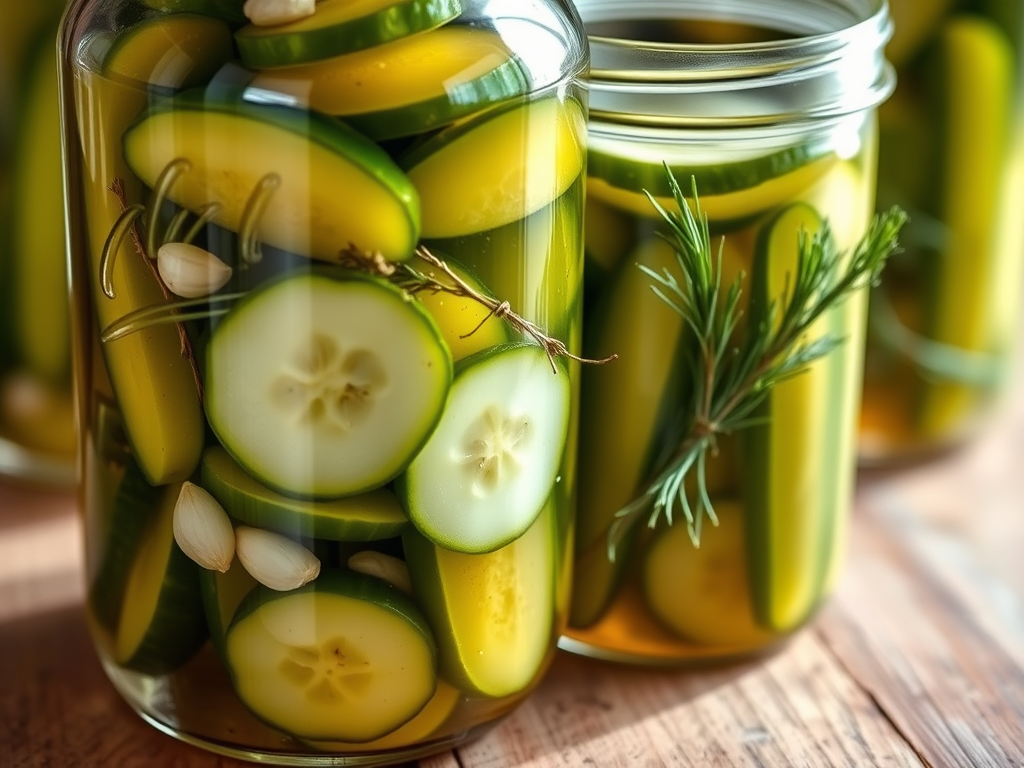
Pack cucumber pieces into clean jars along with garlic, peppercorns, mustard seeds, dill, and any optional additions. Distribute aromatics evenly among jars for consistent flavor. Pack tightly without crushing—you want cucumbers snug but not compressed.
Combine vinegar, water, salt, and sugar in a medium saucepan. Bring to a boil over high heat, stirring to dissolve salt and sugar completely. This takes just two to three minutes once it reaches full boil.
Pour hot brine over cucumbers, ensuring all pieces are completely submerged. Leave about half an inch of headspace at the top. Tuck bay leaves into each jar. If cucumbers float above brine (common with spears), weigh them down with a small zip-top bag filled with brine or a clean weight.
Let jars cool to room temperature uncovered—this takes about an hour. Once cool, seal with lids and refrigerate immediately. The pickles will be technically edible after twenty-four hours but reach peak flavor and texture after three to five days.
Achieving Maximum Crispness
Texture separates great pickles from mediocre ones. Several techniques enhance crunch beyond simply starting with fresh cucumbers. Trimming the blossom end removes enzymes that cause softening—this step alone dramatically improves results.
Adding grape leaves, oak leaves, or horseradish leaves provides tannins that maintain firmness. These traditional additions might seem odd but work remarkably well. One or two leaves per jar suffice. Black tea bags achieve similar effect through their tannins if you lack access to grape leaves.
Some pickle enthusiasts swear by soaking sliced cucumbers in ice water for two hours before packing. This hydrates them fully, creating maximum internal pressure that resists softening. Others add calcium chloride (sold as Pickle Crisp) directly to jars, though this feels less natural for a simple recipe.
Refrigeration temperature matters too. Pickles stored at the back of the refrigerator where it’s coldest stay crispest longest. Avoid storing them in the door where temperature fluctuates with opening and closing.
Flavor Variations Worth Exploring
Once you’ve mastered the basic quick pickles recipe, creative variations prevent boredom. Bread and butter style adds more sugar, turmeric for color, and celery seeds for complexity. Spicy versions include jalapeño slices and extra red pepper flakes. Garlic lovers can quadruple the garlic cloves.
Asian-inspired pickles swap dill for fresh ginger slices, add star anise, and include a teaspoon of sesame oil. Mediterranean versions feature oregano, lemon zest, and a splash of olive oil. Sweet pickle fans increase sugar substantially and add whole cloves.
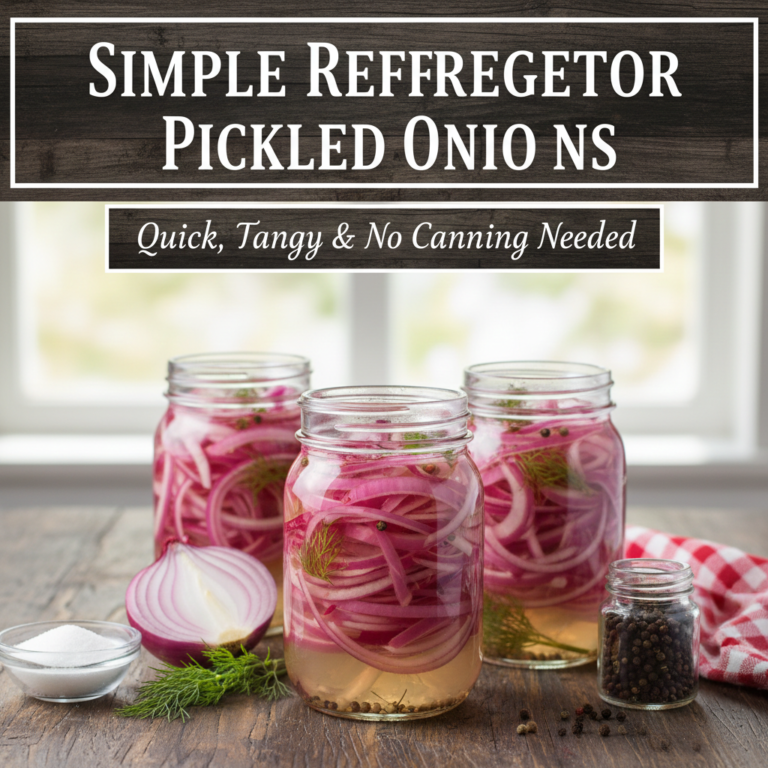
Pickled onions using the same brine technique create vibrant pink additions to tacos and salads. Carrots, green beans, cauliflower, and radishes all respond beautifully to refrigerator pickling. The method remains identical—only the vegetables change.
Storage and Shelf Life
These crisp dill refrigerator pickles keep refrigerated for six to eight weeks, though texture gradually softens over time. Flavor actually improves during the first two weeks as brine penetrates more thoroughly. After a month, quality slowly declines but remains perfectly safe and edible.
Always use clean utensils when removing pickles from jars—introducing bacteria shortens shelf life. Keep jars sealed except when actively serving. If you notice mold, off odors, or sliminess, discard immediately. Cloudiness in the brine is normal and doesn’t indicate spoilage.
Never leave refrigerator pickles at room temperature for extended periods. Unlike shelf-stable canned pickles, these rely on refrigeration for safety. Unrefrigerated, they can develop dangerous bacteria within hours.
Troubleshooting Common Problems
Soft pickles frustrate more than any other issue. This usually indicates old cucumbers or failure to trim blossom ends. Temperature problems cause softness too—if brine wasn’t hot when poured or jars weren’t refrigerated promptly, texture suffers. Starting over with fresh cucumbers and following the process precisely prevents recurrence.
Hollow pickles come from using regular slicing cucumbers rather than pickling varieties, or from cucumbers that sat too long before pickling. These varieties naturally develop hollow centers as they mature. Solution: use proper pickling cucumbers harvested young.
Overly salty pickles mean too much salt in the brine. Reduce by one teaspoon next batch and taste before committing to full recipe. Conversely, bland pickles need more salt or longer brining time. Remember that flavors strengthen over days in the refrigerator.
Cloudiness doesn’t affect safety in refrigerator pickles but indicates hard water, wrong salt type, or bacterial action. Use filtered or distilled water and proper pickling salt for crystal-clear brine.
The Budget and Sustainability Angle
Making your own vinegar pickles at home costs dramatically less than buying premium craft pickles while rivaling their quality. Summer cucumber glut at farmers markets means bargain prices—often a dollar per pound or less. The entire batch costs maybe three dollars in ingredients, producing pickles that would retail for fifteen to twenty dollars.
Growing your own cucumbers multiplies savings exponentially. A few plants produce dozens of cucumbers through summer, supplying pickle needs for months. Even container gardening on apartments balconies can yield sufficient cucumbers for regular pickle-making.
The environmental benefits matter too. Reusing jars eliminates packaging waste from purchased pickles. Buying local cucumbers reduces transportation footprints. Making exactly what you’ll eat prevents food waste from opened jars going bad.
Teaching Kids Through Pickle-Making
This beginner pickle recipe works beautifully as a cooking project with children. It’s safe—no hot oil or sharp knives necessarily involved if you slice cucumbers yourself. The transformation fascinates kids, creating living science lessons about osmosis, preservation, and fermentation.
Young children can wash cucumbers, measure ingredients, and pack jars. Older kids can slice vegetables and combine brine components. Teenagers might execute the entire process independently, building confidence and practical skills.
The waiting period teaches patience—a valuable lesson in our instant-gratification culture. Checking the pickles daily creates anticipation while demonstrating how time changes food. Many children who refuse raw cucumbers happily devour pickles they made themselves.
Your Path to Pickle Perfection
Start with this classic formula to understand how components interact. Notice how brine looks when properly dissolved. Observe cucumber transformation over days. Taste at twenty-four hours, three days, and one week to experience flavor development.
After mastering the foundation, experiment with the variations mentioned or create your own. The framework forgives creativity—worst case, you learn what doesn’t work and try again. Best case, you discover your signature pickle that friends specifically request.
Welcome to the world of simple pickling recipes that demystify food preservation while delivering exceptional results. These fresh cucumber pickles prove that restaurant-quality ingredients don’t require professional training, just good cucumbers, proper technique, and patience to let chemistry work its magic. Your crunchy, tangy success awaits in the refrigerator.