Crockpot Beef and Noodles (Midwest Classic): Tender, Comforting & Simple
Few dishes embody Midwestern comfort food quite like crockpot beef and noodles simmering away until fork-tender beef shreds into rich, savory gravy that coats wide egg noodles in pure satisfaction. This isn’t complicated restaurant fare—it’s honest, stick-to-your-ribs cooking that transformed economical beef cuts into Sunday dinner through patient slow cooking and minimal fuss. It’s the kind of meal church ladies perfected for potlucks, the recipe grandmothers passed down, and the comfort that cold winter nights demand.
Understanding This Regional Classic
Beef and noodles claim deep roots in Midwest farm kitchens where cooks stretched tough beef roasts into meals that fed large families. The slow cooker modernizes that tradition, replacing hours of stovetop simmering with set-it-and-forget-it convenience while maintaining the essential character—melt-in-your-mouth beef in deeply flavored gravy over tender noodles.
The beauty lies in simplicity. No exotic spices, no complicated techniques, just quality beef, aromatic vegetables, good broth, and time. The long, gentle cooking breaks down connective tissue in inexpensive cuts, creating tenderness you can’t achieve through quick-cooking methods. The result tastes like you invested serious effort while requiring maybe fifteen minutes of actual work.
Selecting the Right Beef Cut
Chuck roast provides the ideal combination of flavor, marbling, and collagen that creates perfect beef and noodles. The generous fat content keeps meat moist during extended cooking while connective tissue melts into gelatin that enriches the gravy. Two to three pounds feeds six to eight people generously.
Other options include beef stew meat if you prefer pre-cut pieces, though whole roasts produce better texture. Avoid lean cuts like sirloin or round roast—they dry out during slow cooking since they lack sufficient fat and connective tissue to withstand hours of heat.
Trim only excessive fat from the roast, leaving marbling and reasonable fat caps intact. That fat renders during cooking, contributing to both flavor and richness in the finished gravy.
Complete Ingredient List
This formula creates classic Midwest beef and noodles that satisfy without pretension or complication.
Core ingredients:
- Two to three pounds beef chuck roast
- One large onion, diced
- Three garlic cloves, minced
- Two cups beef broth
- One cup water
- Two tablespoons Worcestershire sauce
- Two bay leaves
- One teaspoon dried thyme
- Half teaspoon black pepper
- One teaspoon salt
- Three tablespoons butter
- Three tablespoons all-purpose flour
- Twelve ounces wide egg noodles
- Optional: one cup sliced mushrooms, one cup diced carrots
The ingredient list intentionally stays short and accessible. Everything here lives in typical pantries or requires a single grocery run, respecting both budget constraints and the desire for straightforward cooking.
Building Flavor from the Start
Season the beef roast all over with salt and pepper. For extra flavor, brown it in a hot skillet with a bit of oil, searing all sides until deep golden. This step remains optional—perfectly acceptable to skip it and place raw roast directly in the slow cooker—but searing develops fond (those flavorful browned bits) that deepens the gravy’s complexity.
If you brown the meat, deglaze the hot pan with a splash of beef broth, scraping up all those stuck bits. Pour this liquid into your slow cooker—that’s concentrated flavor you don’t want to waste.
Place the roast in your slow cooker. Scatter diced onion around it, then add minced garlic, bay leaves, thyme, and pepper. Pour beef broth, water, and Worcestershire sauce over everything.
If using mushrooms or carrots, add them now. These vegetables cook down significantly during the long simmer, practically dissolving into the gravy while contributing their flavors.
The Patient Cooking Process
Cover your slow cooker and set to low for eight to ten hours, or high for four to six hours. The low setting produces more tender results as muscle fibers break down gradually rather than seizing from high heat. Plan accordingly based on your schedule, but low heat wins when time permits.
Resist lifting the lid during the first six hours—every peek releases heat and extends cooking time. The beef is ready when it shreds easily with a fork, pulling apart into tender strands without sawing or cutting. If it still resists after minimum time, continue cooking and check every thirty minutes.
Shredding and Creating Gravy
Once beef reaches proper tenderness, remove it to a cutting board using tongs or a slotted spoon. Let it rest for five minutes, then use two forks to shred it into bite-sized pieces, discarding any large fat chunks or gristle.
While beef rests, make a slurry by whisking together softened butter and flour in a small bowl until it forms a paste. This beurre manié (French for “kneaded butter”) thickens the cooking liquid into proper gravy consistency.
Remove bay leaves from the slow cooker. Whisk the butter-flour paste into the hot cooking liquid, stirring until dissolved. The liquid will thicken noticeably over the next few minutes. If it seems too thick, thin with a bit more broth. Too thin means it needs more slurry—make another tablespoon each of butter and flour mixed together, whisking it in gradually.
Return shredded beef to the thickened gravy, stirring to coat every piece. Taste and adjust seasoning—this is your last chance to add salt, pepper, or Worcestershire before serving.
Cooking the Noodles
Wide egg noodles represent the traditional choice for Midwestern beef and noodles. Cook them according to package directions in well-salted boiling water until tender. Drain thoroughly—excess water dilutes the gravy you worked so hard to develop.
Some cooks add noodles directly to the slow cooker during the final thirty minutes, letting them cook in the gravy. This creates more unified texture but risks overcooking if timing isn’t precise. Cooking noodles separately gives you better control and ensures they don’t turn mushy.
Serving This Heartwarming Classic
Mound hot noodles in wide, shallow bowls. Ladle generous portions of beef and gravy over the noodles, ensuring each serving gets plenty of meat. The gravy should pool slightly around the noodles without drowning them completely.
Garnish with fresh parsley if desired, though honestly this homestyle dish needs no embellishment. Serve with simple sides that don’t compete—dinner rolls for soaking up extra gravy, green beans or peas for color and texture, a basic salad for freshness.
Provide extra black pepper at the table for those who want it. Some diners appreciate a dash of hot sauce too, though purists might object to tampering with tradition.
Make-Ahead and Storage
The beef component can be made up to three days ahead. Cook through shredding and creating gravy, then refrigerate in an airtight container. Reheat gently on the stovetop or in the microwave, adding a splash of broth if needed to restore proper consistency. Cook noodles fresh when ready to serve.
Freeze the beef and gravy for up to three months. Thaw overnight in the refrigerator before reheating. The texture remains remarkably close to fresh, making this excellent for batch cooking.
Leftover beef and noodles combined refrigerate for three to four days. The noodles continue absorbing gravy, becoming softer and more integrated. Some people actually prefer this next-day texture, finding it more cohesive and comforting.
Variations Respecting Tradition
Once comfortable with the classic, subtle variations honor tradition while offering new expressions. Mushroom-heavy versions triple the mushroom quantity, making them a primary ingredient rather than accent.
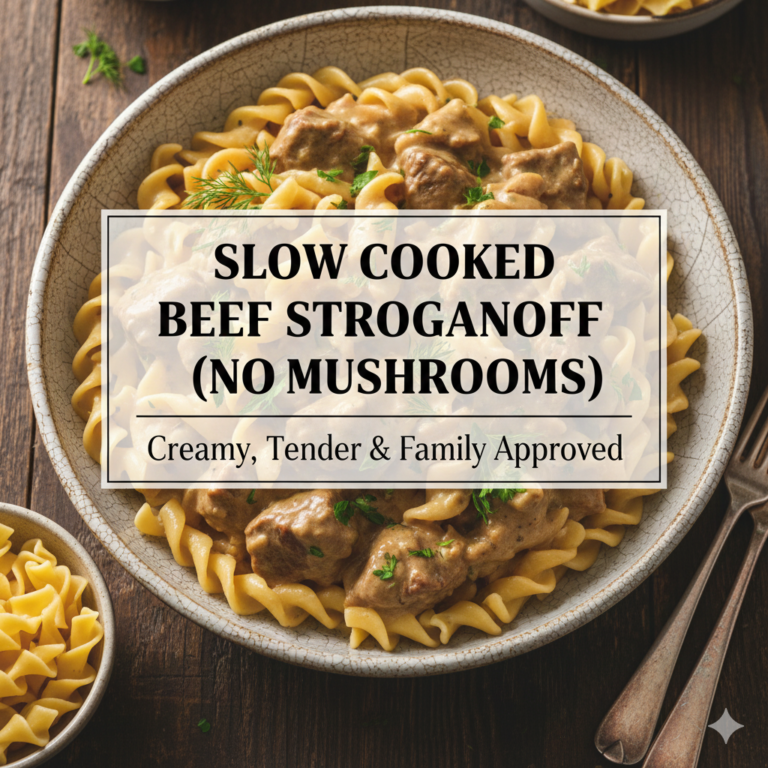
Creamy beef and noodles stir in half a cup of sour cream or heavy cream during the final fifteen minutes, creating richer, more luxurious gravy. This variation leans toward stroganoff territory while maintaining its Midwest soul.
Herb-enhanced versions add fresh thyme, rosemary, or parsley during the final hour. Tomato-based variations include a can of diced tomatoes with the broth, creating a slightly different flavor profile that some households prefer.
Why This Regional Treasure Endures
Beyond delicious comfort, beef and noodles represents resourcefulness and practicality that define Midwest food culture. It transforms inexpensive ingredients into something special through time and technique rather than costly components. The slow cooker makes this accessible to modern cooks who lack the luxury of tending stovetop pots all day.
The dish also scales beautifully for crowds without requiring elaborate planning or expensive ingredients. Church dinners, family reunions, potlucks—beef and noodles feeds multitudes affordably while satisfying completely.
Your Path to Midwest Comfort Mastery
Start with this recipe exactly as written to understand the essential flavors and textures. Notice the beef’s transformation during slow cooking. Observe proper gravy thickness. Taste how simple ingredients create deep, satisfying flavor.
After mastering the original, explore variations that match your preferences. Maybe you love mushrooms and want more. Perhaps cream appeals to your palate. These adjustments personalize the recipe while respecting its fundamental character.
Welcome to cooking that connects you to regional American food traditions—where patient technique transforms modest ingredients, and where comfort comes not from complexity but from honest flavors executed with care. Your tender, gravy-rich triumph awaits in the crockpot.