Grandma’s Buttermilk Pie with Real Butter Flaky Crust: A Southern Classic
Some desserts carry entire histories in their simple ingredients—stories of resourcefulness, family gatherings, and the kind of wisdom that only comes from generations of home bakers. Grandma’s buttermilk pie represents exactly this kind of culinary heritage, transforming humble pantry staples into something silky, subtly tangy, and deeply satisfying. This isn’t flashy restaurant dessert trying to impress—it’s honest Southern comfort that’s graced tables since before anyone wrote recipes down, passed through families by feel and memory more than measurements.
Understanding This Old-Fashioned Treasure
Unlike complicated layer cakes or temperamental soufflés, this old-fashioned buttermilk pie relies on the most basic baking pantry items: eggs, sugar, butter, flour, and of course buttermilk. Depression-era cooks created magic from these ingredients when fancier options weren’t available or affordable. The result—a custard-like filling that’s simultaneously rich and light, sweet yet tangy—proves that limitations sometimes breed brilliance.
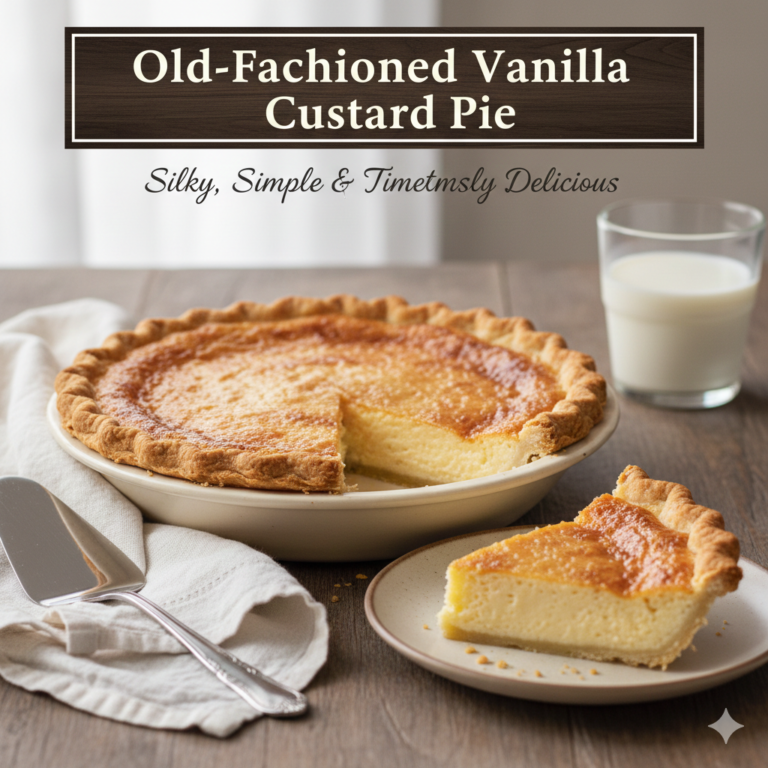
The Southern buttermilk pie recipe formula varies slightly by region and family, but the essential character remains constant. A buttery crust encases smooth filling that sets into something between custard and chess pie. The buttermilk provides subtle tanginess that prevents cloying sweetness while lending a silky texture impossible to achieve with regular milk. It’s the kind of classic custard pie that makes people go quiet while eating, too focused on savoring each bite for conversation.
Mastering the Butter Flaky Pie Crust
Great pie starts with proper crust—this truth can’t be overstated. While store-bought versions save time, nothing matches the flavor and texture of homemade crust made with real butter. The technique intimidates many bakers, but understanding a few principles demystifies the process completely.
Essential crust ingredients:
- One and a quarter cups all-purpose flour
- Half teaspoon salt
- One tablespoon granulated sugar
- Half cup (one stick) unsalted butter, very cold and cut into small cubes
- Three to four tablespoons ice water
The secret to flaky butter pie crust lies in keeping everything cold. Butter pieces should remain solid when incorporated into flour—as the crust bakes, these butter bits create steam that separates flour layers, producing flakiness. If butter melts before baking, you get dense pastry instead.
Mix flour, salt, and sugar in a large bowl. Add cold butter cubes and work them into the flour using a pastry cutter, two knives, or your fingertips (if using hands, work quickly to prevent body heat from melting butter). You’re aiming for a mixture that resembles coarse crumbs with pea-sized butter chunks still visible throughout.
Sprinkle ice water over the mixture one tablespoon at a time, tossing with a fork after each addition. Add just enough water that dough holds together when squeezed—too much creates tough crust, too little makes it crumbly. The dough should look shaggy and rough, not smooth.
Dump the mixture onto a work surface and quickly gather it into a disk. Wrap in plastic and refrigerate at least thirty minutes, preferably an hour. This rest period hydrates flour fully while chilling the butter thoroughly.
Roll chilled dough on a lightly floured surface into a twelve-inch circle about one-eighth inch thick. Transfer carefully to a nine-inch pie pan, fitting it gently into the corners without stretching. Trim edges leaving a one-inch overhang, then fold under and crimp decoratively. Refrigerate the prepared crust while you make filling.
Creating the Signature Custard Filling
The filling embodies simplicity itself—no fancy techniques, no complicated steps, just basic mixing that comes together in minutes. The magic happens during baking when these ordinary ingredients transform into something extraordinary.
Filling components:
- One and a half cups granulated sugar
- Half cup (one stick) unsalted butter, melted and slightly cooled
- Three large eggs, room temperature
- Three tablespoons all-purpose flour
- One cup buttermilk, room temperature
- One tablespoon fresh lemon juice
- One teaspoon vanilla extract
- Pinch of salt
- Pinch of nutmeg (optional but traditional)
Room temperature eggs and buttermilk matter significantly—cold ingredients don’t emulsify properly with melted butter, creating separated filling instead of smooth custard. Remove them from refrigeration at least an hour before beginning.
Whisk sugar and melted butter together in a large bowl until well combined. Add eggs one at a time, whisking thoroughly after each addition. The mixture should become pale and slightly fluffy.
Whisk in flour until no lumps remain, then add buttermilk, lemon juice, vanilla, salt, and nutmeg if using. Mix until completely smooth—the consistency will be quite thin and pourable, which seems wrong but is exactly right. This liquid filling sets during baking into that characteristic silky texture.
Baking to Golden Perfection
Pour filling into the prepared, chilled crust. Place the pie on a baking sheet (catches any drips) and carefully transfer to a preheated 350°F oven positioned on the center rack.
Bake for fifty to sixty minutes. The pie is done when the edges are set and slightly puffed while the center still jiggles gently when shaken—think of barely set gelatin’s movement. The top should be golden brown with possibly some darker spots, which add visual appeal and slightly caramelized flavor.
If the crust edges brown too quickly before filling sets, tent them with aluminum foil strips. This protects the pastry while allowing filling to continue cooking.
Remove from oven and let cool completely on a wire rack—at least three hours at room temperature or two hours if you’re impatient and willing to refrigerate it. The filling continues setting as it cools. Cutting into warm pie creates soupy results, so patience is essential despite temptation.
Why This Heritage Pie Recipes Endures
Beyond delicious flavor, this vintage dessert recipes treasure persists because it represents something larger than dessert. It’s edible history connecting us to earlier generations who made do with less while creating more. The recipe’s survival through decades of food trends speaks to its fundamental rightness—the balance of sweet and tangy, the contrast between buttery crust and smooth filling, the satisfaction it delivers without pretension.
Making this traditional Southern desserts favorite also teaches valuable lessons about resourcefulness and taking pride in simple ingredients done well. You don’t need exotic components or complicated techniques—just quality butter, fresh eggs, good buttermilk, and care in execution. These principles extend beyond baking into life generally.
Serving and Storing
This homemade buttermilk pie shines served simply at room temperature or slightly chilled. A dollop of freshly whipped cream provides richness, though the pie certainly doesn’t need it. Fresh berries offer tart contrast that complements the filling’s gentle tang. Some folks like a light dusting of powdered sugar across the top for visual appeal.
Store covered in the refrigerator for up to four days. The texture actually improves slightly on day two as flavors meld and mellow. Bring to room temperature before serving for best flavor—cold mutes the subtle complexity that makes this pie special.
Freezing works though texture changes slightly. Wrap cooled pie thoroughly in plastic wrap then aluminum foil. Freeze for up to two months. Thaw overnight in the refrigerator before serving.
Variations Within Tradition
While purists insist any changes violate the spirit of grandmother’s recipe, thoughtful variations honor tradition while acknowledging modern tastes. Lemon buttermilk pie increases lemon juice to three tablespoons and adds zest for brighter citrus presence. Coconut version folds in half cup shredded coconut for textural interest.
Chocolate buttermilk pie incorporates quarter cup cocoa powder for deeper color and flavor. Brown sugar substituted for half the granulated sugar creates caramel notes. A splash of bourbon in the filling adds sophisticated warmth appropriate for adult gatherings.
Individual tartlets using the same recipe in muffin tins create elegant single servings. Reduce baking time to twenty-five to thirty minutes and serve at dinner parties for impressive presentations.
Troubleshooting Common Issues
Runny filling that won’t set indicates underbaking or not letting it cool completely. The center should jiggle slightly when done—it firms as temperature drops. If you cut in too early, the filling hasn’t finished setting. Next time, test doneness properly and practice patience during cooling.
Curdled or grainy texture suggests eggs cooked too fast or butter was too hot when added. Use room temperature ingredients and let melted butter cool until just warm to touch before proceeding. Whisking constantly while adding eggs helps too.
Soggy bottom crust happens when filling is too liquid or oven temperature is too low. Ensure your oven actually reaches 350°F using an oven thermometer—many run cooler than their dials indicate. Baking on a preheated baking sheet helps crisp the bottom.
Cracked top results from overbaking or temperature that’s too high. Remember that the center should still jiggle when you remove it from the oven. It continues cooking from residual heat. Cracks don’t affect flavor, and whipped cream camouflages them perfectly.
The Family Connection
Perhaps this simple custard pie’s greatest gift lies in its ability to create and maintain family bonds. Many people remember grandmothers or mothers making this exact pie, the kitchen filled with its distinctive aroma while it baked. Making it yourself creates living links to those who came before while building new memories with those who come after.
Consider making this nostalgic family desserts together with children or grandchildren, explaining the history while demonstrating technique. These shared experiences become treasured memories that outlast the pie itself. The recipe becomes more than ingredients and instructions—it’s tangible connection across generations.
Your Path to Pie Mastery
Start with this classic formula exactly as written to understand how components work together. Notice the filling’s consistency before baking. Observe that critical jiggle indicating doneness. Taste how buttermilk’s tanginess balances sweetness perfectly.
Once you’ve succeeded with the original, explore subtle variations mentioned or create your own. The framework handles modest creativity while maintaining essential character. Just remember that grandmother’s version succeeded for good reasons—respect the foundation while personalizing details.
Welcome to baking that connects past and present, that honors simplicity while delivering complexity, that proves special desserts don’t require expensive ingredients or complicated techniques. This Grandma’s buttermilk pie teaches that sometimes the best recipes are the ones handed down rather than dreamed up, tested through decades of family gatherings rather than corporate test kitchens. Your slice of Southern heritage awaits.