How to Pressure Can Chicken Broth at Home: Safe, Simple & Shelf-Stable
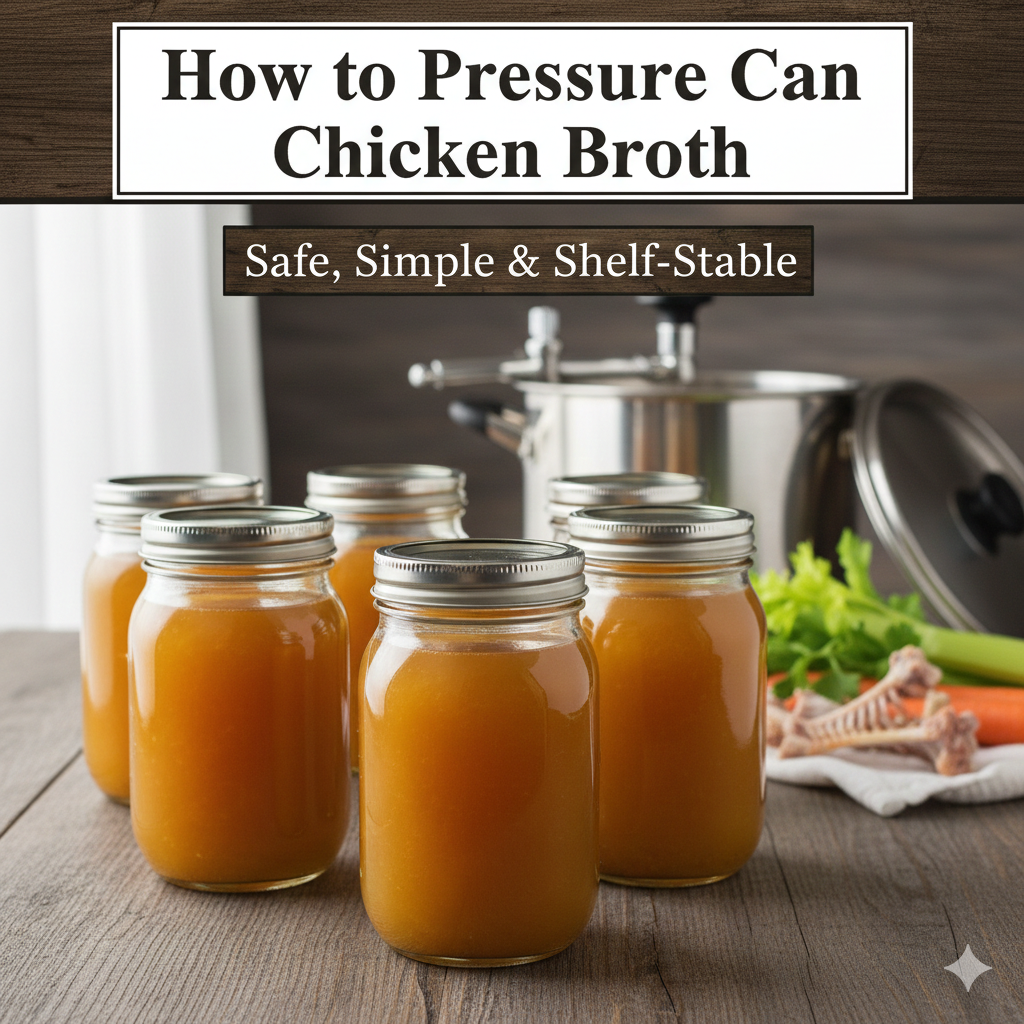
Few pantry accomplishments satisfy quite like lining your shelves with gleaming jars of homemade chicken broth you’ve pressure canned yourself, knowing you can pull rich, flavorful stock from storage anytime without refrigeration or freezer space. Learning how to pressure can chicken broth at home transforms kitchen scraps and leftover bones into shelf-stable liquid gold through proper technique and safety protocols that, while demanding respect, aren’t actually difficult once understood.
Why Pressure Canning Is Non-Negotiable for Broth
Unlike high-acid foods like tomatoes, pickles, and fruits that can safely use boiling water bath canning, chicken broth is a low-acid food requiring temperatures above 240°F to destroy dangerous bacteria, particularly Clostridium botulinum spores that cause botulism. These spores survive boiling water temperatures and can multiply in sealed, low-acid environments, producing deadly toxins.
Pressure canners achieve the necessary high temperatures by trapping steam under pressure, raising the boiling point of water well above 212°F. At 10-15 pounds of pressure (depending on altitude), temperatures reach 240°F to 250°F—hot enough to kill botulism spores and make broth genuinely shelf-stable for a year or more.
This isn’t optional safety theater—it’s essential food science. Never attempt to can broth in a boiling water bath, slow cooker, or oven. These methods cannot achieve safe temperatures, creating potentially lethal products that may show no signs of contamination.
Essential Equipment You Cannot Skip
Pressure canning chicken broth requires specific equipment that represents an investment but lasts for decades with proper care. Cutting corners on equipment compromises safety in ways that can literally kill people.
Pressure canner: Not a pressure cooker. While similar in appearance, pressure canners are designed specifically for canning with accurate pressure gauges and capacity for multiple jars. Weighted-gauge canners regulate pressure through weighted jiggler mechanisms. Dial-gauge canners require annual testing for accuracy but allow precise pressure monitoring. Both types work safely when used correctly.
Canning jars and lids: Use only jars manufactured specifically for home canning—Ball, Kerr, or similar brands with tempered glass that withstands pressure changes. Regular glass jars from purchased products may shatter. Use new lids for each canning session since the sealing compound only works once. Bands can be reused indefinitely if undamaged.
Jar lifter: This specialized tool grips hot jars safely, preventing burns and jar breakage. Regular tongs don’t provide secure grip on slippery, hot glass.
Additional tools: Canning funnel prevents spills during filling. Bubble remover/headspace tool helps release trapped air and measure headspace accurately. Clean towels for wiping jar rims. Timer for precise processing.
Making Rich Chicken Broth Worth Preserving
While you can pressure can store-bought broth, making your own from chicken bones, vegetable scraps, and aromatics costs virtually nothing while tasting infinitely better. This homemade chicken broth canning approach maximizes both flavor and economy.
Simple, flavorful broth formula:
- Three to four pounds chicken bones, raw or cooked (backs, necks, wings, or whole carcasses)
- Two onions, quartered (no need to peel)
- Three carrots, roughly chopped
- Three celery stalks, roughly chopped
- Six garlic cloves, smashed
- Two bay leaves
- One tablespoon whole peppercorns
- Fresh herb sprigs (parsley, thyme, rosemary)
- Twelve to sixteen cups cold water
- Salt (added only if desired, not necessary for safe canning)
Place all ingredients in your largest stockpot and cover with cold water. Bring to a boil, then immediately reduce to the barest simmer—just occasional bubbles breaking the surface. Vigorous boiling creates cloudy broth, while gentle simmering produces clear, golden liquid.
Simmer for four to six hours, skimming foam occasionally from the surface. The longer cooking extracts more gelatin from bones and cartilage, creating body and richness. Add water if levels drop significantly, though some reduction concentrates flavor beneficially.
Strain through a fine-mesh sieve lined with cheesecloth, pressing solids gently to extract maximum liquid. Discard solids. Let broth cool slightly, then refrigerate overnight. Fat will solidify on the surface, making it easy to lift off and discard—though some cooks leave it for flavor.
Preparing Broth for Safe Canning
Bring your strained, defatted broth back to a full boil before filling jars. Hot broth going into hot jars prevents thermal shock that can crack glass. Never pour cold broth into hot jars or vice versa—temperature differences cause breakage.
Prepare your pressure canner according to manufacturer directions, typically involving placing the rack in the bottom and adding two to three inches of water. Preheat this water to simmering (180°F) to reduce initial heating time.
Sterilize jars by running them through the dishwasher or boiling for ten minutes, keeping them hot until filling time. Place new lids in a bowl of hot (not boiling) water to soften the sealing compound—modern lids don’t require the pre-boiling older versions did.
Filling and Preparing Jars
Using your canning funnel, ladle hot broth into hot jars, leaving one inch of headspace. This measurement is critical—too little space and expanding liquid pushes under seals, causing seal failure; too much and insufficient vacuum develops for proper sealing.
Run your bubble remover tool around the inside of each jar to release trapped air pockets. Adjust headspace if needed by adding or removing liquid. Wipe jar rims meticulously with a clean, damp cloth—even tiny residue can prevent proper sealing.
Center lids on jars and screw bands on fingertip-tight—snug but not forcing it. Overtightening prevents air from escaping during processing, potentially causing seal failure or jar breakage.
Processing in the Pressure Canner
Place filled jars on the rack in your preheated canner, ensuring they don’t touch each other or the canner sides. Lock the lid according to manufacturer instructions, leaving the vent pipe (petcock) open.
Turn heat to high and watch for steady steam flowing from the vent. Once steam flows vigorously, set a timer for ten minutes. This venting period ensures all air has been purged from the canner—air pockets prevent proper pressure development.
After ten minutes of venting, close the petcock or place the weighted gauge on the vent pipe. Pressure will begin building. Watch your gauge carefully, adjusting heat to reach the correct pressure for your altitude:
- 0-1,000 feet: 10 pounds pressure (weighted gauge) or 11 pounds (dial gauge)
- 1,001-2,000 feet: 15 pounds (weighted) or 11 pounds (dial)
- 2,001-4,000 feet: 15 pounds (weighted) or 12 pounds (dial)
- Above 4,000 feet: 15 pounds (weighted) or 13-15 pounds (dial, depending on exact altitude)
Once proper pressure is reached, start timing. Process pints for twenty minutes, quarts for twenty-five minutes. Maintain steady pressure throughout—if it drops below the required level, you must return to pressure and restart the entire timing period.
Safe Cooling and Post-Processing
When processing time completes, turn off heat and let the canner cool naturally. Never force-cool by running water over it or opening vents—this causes liquid to be sucked from jars and potentially breaks seals.
When pressure returns to zero (dial reads zero or weighted gauge moves freely), wait five more minutes, then carefully open the vent. Wait another two minutes before unlocking and removing the lid, tilting it away from you so steam doesn’t burn your face.
Let jars sit in the canner for ten minutes before removing them to a towel-covered counter. Don’t retighten bands or disturb jars during the twelve to twenty-four hour cooling period. You’ll hear the distinctive “ping” of lids sealing as jars cool—immensely satisfying music to home canners.
Testing Seals and Storage
After twenty-four hours, test seals by pressing the center of each lid. Properly sealed lids won’t flex or pop. Remove bands, wipe jars clean, label with contents and date, then store in a cool, dark location.
Unsealed jars need refrigeration and use within a week, or you can reprocess within twenty-four hours using new lids. Don’t reprocess jars that sealed initially then unsealed later—discard these since contamination may have occurred.
Properly canned broth maintains quality for twelve to eighteen months, though it remains safe indefinitely if seals stay intact. Quality gradually declines over time, so use older jars first while rotating in newly canned stock.
Safety Rules That Are Absolutely Non-Negotiable
Never taste, cook with, or even open any canned goods showing these danger signs:
- Bulging or unsealed lids
- Liquid spurting when opened
- Mold on the surface or lid underside
- Cloudy liquid (though slight cloudiness can occur normally)
- Off odors of any kind
- Foaming or unusual texture
When in doubt, throw it out. No broth is worth risking botulism, which can be fatal. These safety concerns aren’t about perfectionism—they’re about preventing serious illness or death.
Always bring home-canned broth to a full boil for ten minutes before using as an additional safety measure. This destroys any potential toxins that might have developed, though properly canned broth shouldn’t contain any.
Troubleshooting Common Issues
Siphoning (liquid loss during processing) occurs when pressure drops too quickly, jars cool too fast, or food pieces block the headspace. Ensure proper venting, cool naturally, and strain broth thoroughly to remove all solids. Jars that lost liquid but sealed properly are still safe—just use them first since reduced liquid provides less protection.
Cloudy broth usually indicates a broth-making issue (vigorous boiling, insufficient straining) rather than safety concerns, though cloudiness can occasionally signal spoilage. If seals are good and no other warning signs appear, cloudiness is cosmetic.
Fat separation or floating is normal and harmless. Shake jars before using to redistribute fat throughout the broth.
Seal failures happen occasionally due to jar rim damage, food particles on rims, overtightened bands, or defective lids. Examine jars carefully before filling, wipe rims meticulously, and use fresh, quality lids from reputable manufacturers.
Your Path to Safe Home Canning
Start with a small batch—four or five jars—to learn the process without overwhelming yourself. Follow these instructions exactly the first time, building confidence through successful completion before attempting variations or larger batches.
Keep detailed notes about what worked, what challenged you, and timing for your specific equipment. Pressure canners vary in how quickly they heat and cool, so understanding your equipment’s particular behavior helps future sessions run more smoothly.
Welcome to the deeply satisfying practice of preserving chicken broth safely at home—where kitchen scraps transform into pantry staples, where self-sufficiency meets deliciousness, and where proper technique creates peace of mind along with shelf-stable nutrition. Your gleaming jars of homemade stock await in the pressure canner.