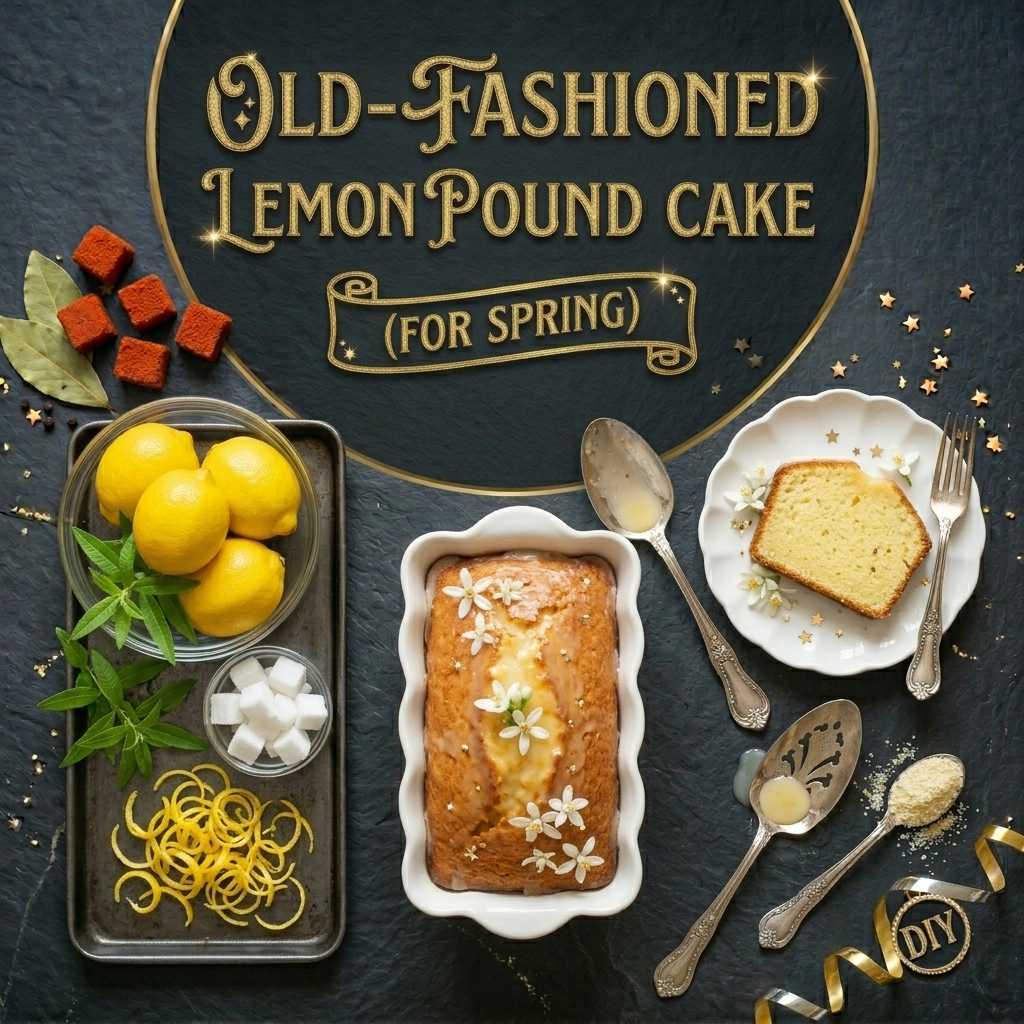
Old-Fashioned Lemon Pound Cake for Spring
There’s something timeless about a pound cake cooling on the kitchen counter. The golden crust, the gentle scent of butter and citrus in the air, and the promise of a slice with a cup of coffee all create a quiet kind of comfort. An old-fashioned lemon pound cake captures that feeling perfectly, especially in the spring when bright flavors begin to replace the heavier tastes of winter.
Pound cake has long been a favorite in home kitchens because it relies on simple ingredients and dependable techniques. When lemon is added to the batter, the result is a cake that feels both classic and refreshing. The rich buttery crumb balances beautifully with the fresh brightness of citrus, creating a dessert that feels light enough for warm afternoons yet satisfying enough for special gatherings.
This type of cake isn’t about elaborate decoration or complicated methods. Instead, it celebrates the beauty of straightforward baking and the joy of sharing something homemade.
The History Behind Pound Cake
Traditional pound cake earned its name from its original recipe: a pound of butter, a pound of sugar, a pound of eggs, and a pound of flour. This simple formula created a dense, rich cake that could feed a large family or group of guests.
Over time, bakers began adjusting the proportions and adding flavorings like vanilla, almond, or citrus. Lemon quickly became one of the most popular additions because its bright flavor cuts through the richness of the butter.
While modern recipes often lighten the texture slightly, the spirit of the original pound cake remains the same—simple ingredients combined carefully to produce a deeply satisfying dessert.
Why Lemon Works So Well in Spring Baking
Spring baking often leans toward lighter, brighter flavors. Lemon fits naturally into this season because it adds freshness without overwhelming the dessert.
The natural acidity of lemon enhances sweetness and balances the richness of butter. When baked into a pound cake, the citrus flavor becomes mellow and fragrant, weaving gently through the crumb rather than dominating it.
Lemon also brings a pleasant aroma to the kitchen while the cake bakes, making the experience just as enjoyable as the finished dessert.
Choosing Fresh Lemons
The flavor of a lemon pound cake depends heavily on the quality of the lemons used. Fresh lemons provide both zest and juice, each contributing something different to the cake.
The zest contains the oils that deliver the strongest citrus aroma. Just a small amount can transform the entire batter. Lemon juice, on the other hand, adds brightness and a subtle tang.
Using fresh fruit rather than bottled juice makes a noticeable difference in both taste and fragrance.
The Importance of Butter in Pound Cake
Butter plays a central role in the texture and flavor of pound cake. It provides richness, tenderness, and that unmistakable buttery aroma that fills the kitchen during baking.
When properly creamed with sugar, butter also helps create a light structure in the cake. This step traps small pockets of air that expand in the oven, giving the pound cake its soft crumb.
Because butter is such an important ingredient, using good-quality butter can noticeably improve the final result.
Mixing the Batter the Traditional Way
Classic pound cake recipes rely on a simple mixing process that builds structure gradually.
First, the butter and sugar are creamed together until light and fluffy. Eggs are then added slowly so the mixture stays smooth and stable. Finally, the dry ingredients are folded in to create the batter.
This method ensures that the cake rises evenly and maintains its rich yet tender texture.
Patience during mixing makes a big difference in the final result.
Baking Until Perfectly Golden
Pound cake typically bakes in a loaf pan or bundt pan, which allows the batter to cook evenly while developing a golden crust.
During baking, the cake slowly rises and fills the kitchen with a warm, buttery scent. The edges become lightly crisp while the inside remains soft and moist.
When the cake is fully baked, it should feel firm on top and release easily from the sides of the pan.
Allowing the cake to cool properly before slicing helps preserve its structure.
Adding a Simple Lemon Glaze
Many bakers like to finish lemon pound cake with a light glaze. This glaze is usually made from powdered sugar mixed with fresh lemon juice.
When drizzled over the cooled cake, it adds a touch of sweetness and an extra burst of citrus flavor. The glaze also creates a glossy finish that makes the cake look inviting on the serving plate.
While optional, this small addition enhances both the flavor and appearance of the cake.
Serving Lemon Pound Cake
Old-fashioned lemon pound cake is incredibly versatile when it comes to serving.
It can be enjoyed plain with coffee or tea in the afternoon. It also pairs beautifully with fresh berries, whipped cream, or a scoop of vanilla ice cream.
Because the cake is rich but not overly sweet, it works equally well as a casual snack or as a simple dessert after dinner.
A single loaf often disappears quickly once people start slicing.
Keeping the Cake Fresh
Pound cake tends to keep well because of its high butter content. When stored properly, it stays moist for several days.
Wrapping the cake tightly helps prevent it from drying out. Some people even find that the flavor improves after a day, as the lemon notes settle deeper into the crumb.
Slices can also be frozen for longer storage, making it easy to enjoy the cake later.
A Dessert That Feels Like Home
There is a comforting familiarity to an old-fashioned pound cake. It doesn’t rely on trends or elaborate presentation. Instead, it focuses on flavor, texture, and the simple pleasure of homemade baking.
Lemon pound cake adds a seasonal touch to that tradition. Its bright flavor reminds us of warmer days ahead and brings a little sunshine to the table.
Whether served at a spring gathering, shared with neighbors, or enjoyed quietly with a cup of tea, it carries the kind of warmth that only homemade desserts can offer.
Welcoming Spring with Simple Baking
As winter fades and spring arrives, kitchens often shift toward lighter flavors and fresh ingredients. An old-fashioned lemon pound cake fits perfectly into that transition.
It keeps the comforting richness of traditional baking while adding the brightness of citrus. The result is a dessert that feels both nostalgic and refreshing.
Sometimes the best recipes are the ones that have been quietly passed down through generations—simple, dependable, and always welcome at the table.