Traditional Corned Beef and Cabbage Dinner
Few meals carry the comforting tradition and hearty satisfaction of a classic corned beef and cabbage dinner. This old-fashioned dish has been a centerpiece of family tables for generations, especially in early spring when people gather to share warm, filling meals after the long winter months. With tender slices of corned beef, soft potatoes, sweet carrots, and gently cooked cabbage, the dish offers a balance of flavor and simplicity that continues to stand the test of time.
A traditional corned beef and cabbage dinner is not complicated cooking. Instead, it is slow, patient cooking that allows simple ingredients to transform into something deeply flavorful. The meat becomes tender, the vegetables soak up the savory broth, and the entire kitchen fills with a rich, comforting aroma.
For many families, this meal is more than just food. It represents gatherings, celebrations, and the kind of home cooking that brings everyone together around the table.
The Story Behind Corned Beef and Cabbage
Corned beef and cabbage is often associated with Irish-American cooking, particularly during spring celebrations. While cabbage and cured meats have long been staples in European kitchens, the combination of corned beef with cabbage became especially popular among Irish immigrants in the United States.
Corned beef refers to beef that has been cured in a salty brine. The name comes from the large grains, or “corns,” of salt used during the curing process. This preservation method allowed meat to last longer before refrigeration was common.
When slowly simmered with vegetables, the cured beef becomes tender and flavorful. The cooking liquid develops a savory depth that seeps into the potatoes, carrots, and cabbage, turning a handful of humble ingredients into a memorable meal.
Why This Dish Remains a Favorite
Traditional corned beef and cabbage dinners remain popular for several reasons. The ingredients are simple, the preparation is straightforward, and the results are consistently satisfying.
It’s also a practical meal. Everything cooks in the same pot, which means less cleanup and fewer dishes. The slow simmer allows flavors to develop naturally without complicated techniques.
Most importantly, it’s the kind of meal that feels generous. A large pot can feed a family easily, and leftovers often taste even better the next day.
Choosing the Right Cut of Corned Beef
Corned beef is usually sold in two main cuts: flat cut and point cut. Both come from the brisket, but they have slightly different characteristics.
The flat cut is leaner and slices neatly, making it a popular choice for serving. The point cut contains a bit more fat and can be especially tender after long cooking.
Either cut works well for this dish, but many cooks prefer the flat cut for its uniform shape and ease of slicing.
Most corned beef packages also include a small spice packet containing ingredients such as peppercorns, mustard seeds, and bay leaves. These spices add depth to the simmering broth.
Preparing the Cooking Pot
The traditional method for cooking corned beef involves simmering rather than boiling. The meat is placed in a large pot and covered with water or broth. The seasoning packet is added, along with optional aromatics such as garlic or onion.
The pot is brought to a gentle simmer and then allowed to cook slowly for several hours. This slow cooking process breaks down the fibers in the meat, creating the tender texture the dish is known for.
Patience is key here. Rushing the cooking time can leave the meat tough instead of tender.
Adding the Vegetables
The vegetables are added later in the cooking process so they become tender without falling apart.
Potatoes and carrots typically go into the pot first. They need more time to soften and absorb the savory broth.
Cabbage wedges are added last because they cook quickly. When simmered too long, cabbage can become overly soft and lose its pleasant texture.
Adding the vegetables in stages ensures that everything finishes cooking at the same time.
The Role of Cabbage in the Dish
Cabbage is an essential part of the traditional meal. When cooked in the broth created by the corned beef, it takes on a subtle savory flavor that pairs perfectly with the meat.
Instead of shredding the cabbage, many cooks cut it into large wedges. This allows the leaves to stay together during cooking and makes serving easier.
The cabbage becomes tender while still holding its shape, adding both texture and flavor to the plate.
Slicing the Corned Beef
After the meat has finished simmering, it should rest briefly before slicing. This allows the juices to settle inside the meat.
Corned beef is best sliced against the grain. Cutting across the muscle fibers shortens them, resulting in more tender slices.
The meat is usually served in generous portions alongside the cooked vegetables.
Serving the Traditional Dinner
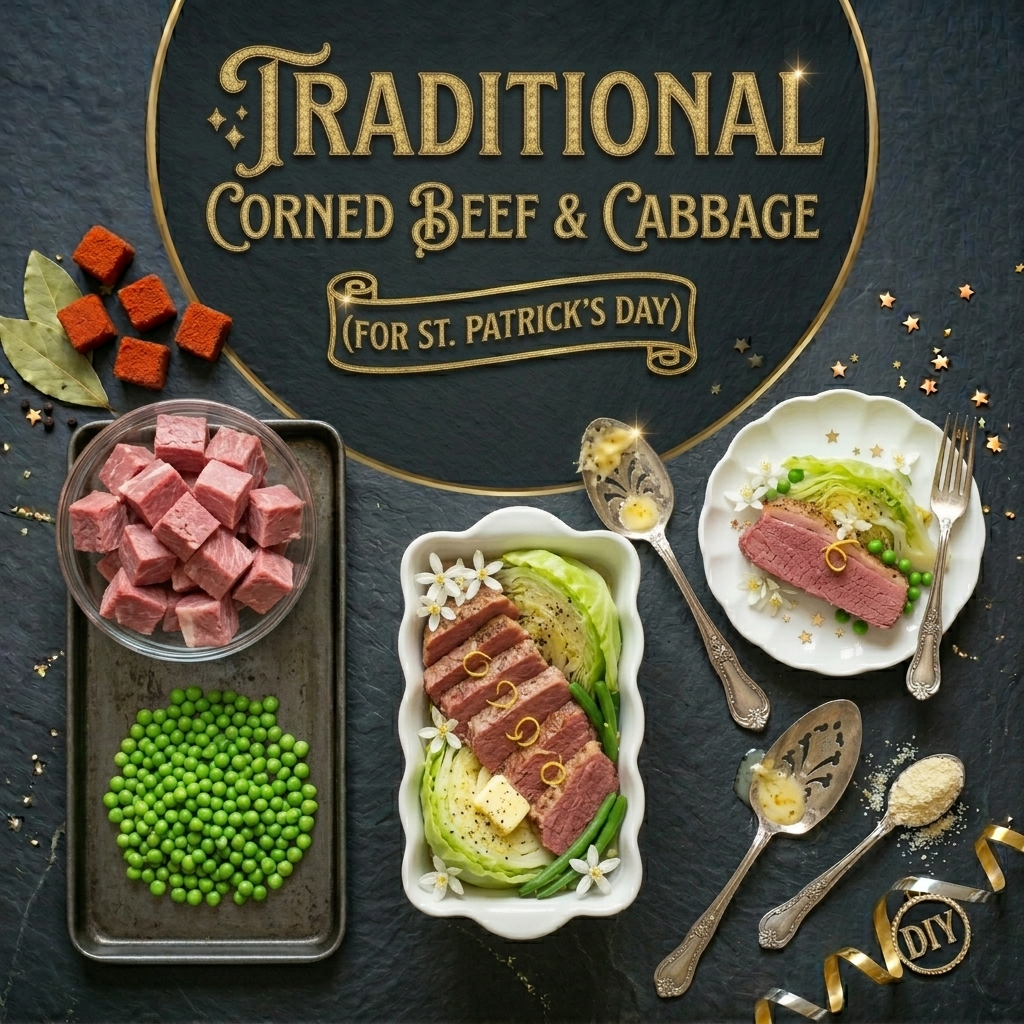
A classic corned beef and cabbage dinner is typically served family-style. The sliced meat is arranged on a platter, surrounded by potatoes, carrots, and cabbage.
Some people like to spoon a little of the cooking broth over the top to keep everything moist and flavorful.
Mustard or horseradish sauce is sometimes served on the side, adding a sharp contrast to the rich meat.
A warm loaf of bread also pairs beautifully with the meal, helping soak up the flavorful broth.
Making the Most of Leftovers
One of the best things about cooking corned beef is the leftovers. The meat keeps well in the refrigerator and can be used in a variety of dishes.
Sliced corned beef makes excellent sandwiches, especially when paired with mustard and rye bread. It can also be chopped and cooked with potatoes to create a hearty breakfast hash.
Even the leftover broth can be saved as a flavorful base for soups.
Tips for the Best Flavor
A few simple tips can help ensure the best results when preparing this dish.
First, rinse the corned beef lightly before cooking. This removes excess surface salt from the curing process.
Second, keep the simmer gentle. Boiling the meat too aggressively can make it tough.
Finally, allow the meat enough time to cook slowly. The long simmer is what creates the signature tenderness that makes the dish so enjoyable.
A Meal Built on Tradition
Traditional corned beef and cabbage dinners are a reminder that great meals don’t always require complicated ingredients or techniques. Sometimes the most memorable dishes come from simple foods prepared with patience and care.
The slow-cooked beef, tender vegetables, and rich broth combine to create a meal that feels generous and comforting.
For many families, preparing this dish each year has become a tradition that connects generations through food.
Bringing Comfort to the Table
In a world filled with fast meals and busy schedules, there’s something special about a dinner that takes its time. Corned beef and cabbage invites people to slow down, gather around the table, and enjoy a meal that has warmed kitchens for decades.
The aroma drifting from the pot, the steam rising from the vegetables, and the first tender slice of beef all remind us why traditional dishes remain so beloved.
Sometimes the simplest meals are the ones we remember the most.